RSS

How First-Time Buyers Can Awesomely Navigate Halifax's Rising Housing Costs

Buying your first home is a big deal. It’s supposed to be exciting, but with home prices and interest rates going up, it can be nerve-wracking. For those looking to buy their first home in Halifax, Nova Scotia, the rising costs are making things even trickier.

## The Problem: High Prices and Growing Costs

Right now, the Halifax real estate market is a bit of a challenge for renters and first-time homebuyers. The median house price is $547,900. That's a 62% jump from where it was five years ago. This increase means that everything tied to buying a home, like down payments, mortgages, and insurance, has also become more expensive.

What’s more, even though rents in some places are starting to soften, they are still 17% higher than a few years ago. Mortgage rates are the highest they’ve been in over 20 years, pushing the dream of homeownership further away, especially for young buyers who don’t already own a home.

This situation is affecting everyone, including the military families relocating to Halifax. The city serves several military bases, and having a stable and affordable housing market is important for these families too.

### Why This Matters

The high prices and costs are a big roadblock if you're trying to buy your first home. Many are still renting, as the high mortgages and increasing rent prices eat into what they could be saving. If you’re in the military relocating to Halifax or a young family trying to settle down, this is a huge challenge.

## The Agitation: How It Gets Tougher

For new buyers, the situation might feel like you're stuck in a game where the price tag keeps getting higher. The higher mortgage rates mean monthly payments are also climbing, making it harder to save enough for a down payment. And first-time buyers are now, on average, older than before.

Meanwhile, the demand is getting higher. Young families needing more space and seniors looking to downsize all add to the growing competition.

Empty nesters looking to sell a larger home and move into something smaller face their own challenges too. Downsizing isn’t as easy when smaller homes are competitively priced. High-tech and coastal markets have seen rent and home prices grow sharply due to limited supply, and Halifax seems to follow a similar trend.

### The Emotional Toll

For someone wanting to buy their first home or move to a new station, the ongoing climb in prices feels endless. It's like seeing your goal but it keeps getting further away. This can delay significant life choices, like starting a family or retiring in comfort.

## The Solution: Finding Opportunities Despite the Challenges

But don't worry. There are still ways first-time buyers in Halifax can find good options to buy a home without breaking the bank. Here are some strategies that can help:

### 1. Look Beyond the City Center

Halifax is lovely, but living right downtown can come with a premium price. Look at surrounding neighbourhoods or suburbs where homes might be more affordable. Areas that are a short commute away often have lower prices and still offer great communities.

### 2. Consider a Starter Home

A starter home might not be your forever home, but it's a great entry point into the housing market. These homes are often smaller and more affordable, making them more budget-friendly for newcomers.

### 3. Explore Co-Buying or Shared Ownership

For military relocations or young professionals pooling resources with friends or family, co-buying a property can be a practical way to enter the market. It's a solution that makes the financial load more manageable.

### 4. Monitor for Lower Rates

Keep an eye on interest rates. Even a small drop can make a big difference in what you can afford. Speak to a mortgage advisor about locking in rates if you find a good deal.

### 5. Make Use of Military Programs

For military families, special programs and loans can assist in making the move smoother and more affordable. Check what's available both federally and locally in Halifax to help with the transition.

### 6. Embrace Flexibility

Be ready to adapt. Sometimes a deal on a home elsewhere can offer more value than what you would expect. Keep an open mind and look for opportunities where others might not.

## What If You Wait?

Waiting might seem like the easier choice, but consider how the market could continue to rise. Though letting prices settle might make sense, a changing economy could bring new challenges. The longer you wait, the older you may get before finally owning a home. Worse, the home prices could climb higher, making it even more difficult to catch up.

## Final Thoughts

Buying a home is a significant milestone and an important investment in your future. While the Halifax housing market presents challenges, there are still opportunities. By being proactive, exploring alternatives, and considering different approaches, first-time buyers and new arrivals can still find a home that fits their needs and budget. It’s all about readiness, research, and a bit of flexibility.

Whether you’re a young professional, a newly relocated military family, an empty nester, or a growing family looking to upsize, your new home in Halifax is still within reach. Stay informed, stay open to options, and take that first step towards homeownership!

Johnny Dulong - Family Real Estate Advisor

Call today .... EXIT tomorrow!

902.209.4761

#HalifaxRealEstate #HomesinHalifax #HalifaxRealtor #NSRealEstate #DartmouthRealEstate #BedfordRealEstate #FirstTimeBuyer #MovetoNovaScotia #SellHalifaxRealEstate #BedfordHomesForSale #MilitaryRelocation

Read

Homes in Halifax for Retirees and Military Families: What Buyers Should Know (2026 Guide)

Halifax continues to attract a wide range of home buyers, including retirees looking to downsize and Canadian Armed Forces members relocating to the region. After helping buyers and sellers across the Halifax–Dartmouth area since 2002, I’ve seen how different housing needs—whether related to military postings or retirement lifestyle changes—shape the types of homes people search for. This guide outlines what retirees and military families should understand when exploring homes in the Halifax Regional Municipality.


Quick Summary: Halifax Housing for Retirees and Military Families

• Halifax continues to attract buyers relocating from across Canada.
• Military postings to CFB Halifax regularly bring new families into HRM.
• Downsizers are increasingly looking for low-maintenance homes or condominiums.
• Commute times and neighbourhood fit are important considerations for military buyers.
• Housing availability and prices can vary significantly across Halifax communities.


What’s Happening in the Halifax Housing Market

Halifax has experienced steady population growth in recent years, which has increased housing demand across many neighbourhoods in HRM. While market conditions vary by price range and location, buyers should expect active competition for well-priced homes in certain communities.

Inventory levels can also fluctuate depending on the time of year, which sometimes makes the search process more challenging for buyers who have limited timelines—such as military families relocating during posting season.

Understanding neighbourhood differences and planning ahead can help buyers navigate the process more smoothly.


Three Patterns I See Every Year in Halifax

After more than two decades working in Halifax real estate, a few common patterns appear when retirees and military families begin their home search.

1. Buyers Often Focus on the Home Before the Location

Many buyers initially prioritize the property itself rather than the neighbourhood. However, commute times, proximity to services, and community amenities often become more important after moving in.

Retirees may prefer walkable areas close to healthcare and shopping, while military families often need efficient commuting routes to bases such as CFB Halifax, Dockyard, or Shearwater.


2. Downsizers Underestimate the Planning Required

Selling a long-time family home and moving into a smaller property can involve more planning than many retirees expect. Storage, layout preferences, and maintenance considerations all play a role.

Condominiums, townhouses, and bungalow-style homes are often popular options for buyers looking to simplify their living space.


3. Military Relocations Often Require Faster Decisions

Canadian Armed Forces postings can create tight timelines for purchasing a home. Buyers sometimes need to make decisions quickly during a House Hunting Trip (HHT).

Preparing financing and researching neighbourhoods before arriving in Halifax can make this process significantly smoother.


Housing Options for Retirees in Halifax

Many retirees moving within Halifax or relocating from other provinces look for homes that support a more manageable lifestyle.

Condominiums and Low-Maintenance Living

Condominiums are a common choice for downsizers who want to reduce exterior maintenance responsibilities. Several areas in Halifax and Dartmouth offer condo developments close to shopping, healthcare services, and recreational amenities.


Bungalow and Single-Level Homes

Single-level homes are often attractive for retirees who want to avoid stairs and maintain long-term accessibility.

Communities across HRM—including Bedford, Dartmouth, and Sackville—offer a range of housing options depending on price range and lifestyle preferences.


Lifestyle and Community Considerations

Beyond the home itself, retirees often prioritize:

• access to healthcare services
• proximity to family and social networks
• walkability and community amenities
• lower maintenance living environments


Housing Considerations for Military Families

Halifax is home to several key Canadian Armed Forces facilities, including CFB Halifax, Stadacona, the Halifax Dockyard, and Shearwater.

Each year, postings bring new military families to the region, many of whom need to quickly familiarize themselves with Halifax neighbourhoods.


Communities Popular With Military Buyers

Some communities frequently considered by military families include:

Bedford
Offers convenient highway access and established neighbourhoods.

Dartmouth
Provides good commuting access to Shearwater and Halifax bridges.

Sackville
Often appeals to families looking for more affordable housing options.

Fall River
Attracts buyers seeking larger homes and quieter suburban environments.


Commuting Considerations

Halifax geography can affect commute times. Bridge traffic and peninsula congestion may influence which neighbourhoods are most convenient depending on the base location.

Many buyers benefit from reviewing commute routes before choosing a home.


Other Buyers in the Halifax Market

While retirees and military families represent important segments of the Halifax housing market, other buyers also contribute to demand.

First-Time Home Buyers

Many first-time buyers are transitioning from renting and exploring entry-level homes or condominiums across HRM.

Preparation—such as mortgage pre-approval and budgeting for closing costs—can help simplify the process.


Growing Families

Families looking for more space often explore suburban communities that offer larger homes, schools, and parks.

Neighbourhoods like Bedford, Sackville, and Fall River are commonly considered for this reason.


Final Thoughts

Halifax continues to attract a diverse range of home buyers, including retirees downsizing, military families relocating, and buyers entering the market for the first time.

Understanding neighbourhood differences, planning ahead, and working with a professional familiar with Halifax communities can help buyers make informed decisions.

Whether relocating to Halifax for a military posting or transitioning into retirement, careful preparation can make the home buying experience much smoother.


Frequently Asked Questions About Buying a Home in Halifax

What neighbourhoods are popular with retirees in Halifax?

Retirees often explore communities that offer convenient access to services, healthcare, and shopping. Condominiums or low-maintenance homes in areas such as Bedford, Dartmouth, and parts of Halifax can be appealing options.


What areas do military families consider when moving to Halifax?

Communities such as Bedford, Dartmouth, Sackville, and Fall River are commonly considered due to commute access to Halifax bases and family-oriented neighbourhoods.


Is Halifax a good place to downsize in retirement?

Many retirees find Halifax attractive because of its coastal lifestyle, healthcare services, and variety of housing options ranging from condominiums to smaller detached homes.


How can military families prepare for buying a home in Halifax?

Preparing mortgage financing, researching neighbourhoods, and understanding commute routes before arriving for a House Hunting Trip can make the process easier.


Are housing prices the same across Halifax?

No. Housing prices can vary significantly depending on the neighbourhood, property type, and proximity to the Halifax peninsula.


Author

Johnny Dulong
Licensed REALTOR® (NS #NA5059)
Exit Realty Metro

Serving Halifax–Dartmouth and the Halifax Regional Municipality since 2002.

Johnny works with both home buyers and sellers across HRM and specializes in helping clients navigate real estate decisions at different stages of life and relocation.

Areas of focus include:

• Canadian Armed Forces relocations to CFB Halifax and surrounding communities
• First-time home buyers entering the Halifax real estate market
• Growing families upsizing to larger homes in communities such as Bedford, Fall River, and Sackville
• Seniors downsizing to lower-maintenance homes or condominiums
• Homeowners selling during military postings or job relocations
• Strategic home selling in competitive Halifax market conditions
• Luxury and executive homes in Bedford, Dartmouth, and surrounding HRM communities
• Estate sales and major lifestyle transitions
• Buyers relocating to Halifax from other provinces

With more than two decades of experience in the Halifax real estate market, Johnny provides practical guidance based on local market conditions, timing considerations, and the realities of buying or selling property in HRM.

Learn more:
https://sellhalifaxrealestate.com/about.html

Contact:
https://sellhalifaxrealestate.com/contact.html


Disclosure

Disclosure: I am a Halifax-based licensed REALTOR® (NS #NA5059) with Exit Realty Metro. This article is provided for general informational purposes only and should not be considered legal, financial, or relocation advice. Always confirm details with appropriate professionals and official sources.


Planning a Move to Halifax?

If you’re relocating to Halifax, planning a retirement move, or exploring neighbourhoods within HRM, I’m available to help you understand local communities, housing options, and current market conditions before making a decision.

Read

Why New Neighbourhoods Around Halifax Are Ideal for Growing Families

Buying a home is a major decision, especially for families who need more space. Halifax, Nova Scotia offers an array of new real estate developments that cater to this need. For first-time buyers, upsizers, Canadian military families, and those looking to downsize, these up-and-coming neighbourhoods present enticing options. This blog explores why these areas are perfect for families seeking more room to grow.

---

## Current Market Challenges and Opportunities

Across Halifax, families are feeling the pinch of a competitive real estate market. With a noticeable increase in home prices and a limited number of listings, many are wondering how these trends affect their options.

### Rising Prices and Limited Inventory

Recent data shows home prices in Halifax have increased by nearly 15% compared to last year. This surge is making it harder for families to find affordable homes with the space they need. Inventory remains tight, and fewer homes on the market means buyers face more competition.

### Impact on Different Groups

- First-Time Home Buyers: With rising prices, entering the market can seem daunting. Higher costs require larger down payments, which may delay the dream of homeownership.

- Growing Families: Upsizing for more space often requires strategic planning and quick decision-making, as homes are quickly snatched up by eager buyers.

- Military Families: Frequent relocations mean Canadian military personnel need fast and efficient solutions to find homes that meet their family’s requirements.

- Empty Nesters and Seniors: Many are looking to downsize without compromising on comfort, requiring homes that combine reduced space with high convenience.

## Neighbourhoods for Space and Growth

Despite the challenges, new developments around Halifax show great promise for those needing roomier homes. These neighbourhoods address the space needs of different family types, whether you're moving to Halifax or ready to expand your living quarters.

### Popular Areas to Consider

1. West Bedford

- Why It Works: Known for modern garrison townhomes and spacious single-family homes, West Bedford offers a family-friendly environment.

- Amenities: Parks, trails, and top-notch schools make it a welcoming place for families with kids.

2. Spryfield

- Why It Works: This area is on the rise with affordable housing options and larger lot sizes than found elsewhere.

- Development: With new shopping centres and community services emerging, it becomes increasingly practical for families.

3. Dartmouth Crossing

- Why It Works: Renowned for its quaint community feel, this neighbourhood provides larger homes at affordable prices.

- Features: Nearby shopping and dining options make it a convenient location for families.

4. Rockingham South

- Why It Works: Known for its scenic views and spacious homes, this area is great for those who desire room without sacrificing city access.

- Community: Active neighbourhood associations and nearby recreation centres keep residents engaged.

### Tailored Strategies for Buyers

Understanding how to tackle the market involves smart moves specific to each group:

- For First-Time Buyers: Focus on getting pre-approved for a mortgage so you can act fast when a suitable home becomes available.

- For Growing Families/Upsizers: Consider new developments that are more likely to meet expanding needs, often priced to offer more space for the buck.

- For Military Relocations: Work with a real estate professional who understands military housing needs and timelines.

- For Downsizers: Explore condos or smaller single-family homes that provide less square footage but equal comfort.

## Navigating the Market with Confidence

The Halifax market might be challenging, but informed steps can make the dream of finding that perfect large family home a reality.

### Interest Rates and Affordability

Mortgage rates in Canada are still manageable though they fluctuate. Buyers should watch for rate announcements and consider locking in rates early. Calculating monthly payments at different interest levels helps plan a budget.

### The Power of Timing

Timing your move can enhance your buying power:

- Buy Now: Act quickly if you find a home that meets your criteria to seize a favourable mortgage rate.

- Consider Upcoming Listings: New builds in fresh developments are welcome additions to a tight market, so keep an eye on emerging opportunities.

### Anticipating Future Trends

If prices continue to rise, the ability to quickly identify and move on new listings becomes key. However, if more homes enter the market, buyers may have the luxury of choice and negotiation.

### Why These Trends Matter

- Community Growth: New neighborhoods are designed with growth in mind, featuring schools, amenities, and transportation links.

- Investment Potential: With property values rising, purchasing a home now may provide solid investment returns.

## Conclusion

For families craving more space, Halifax’s developing neighbourhoods offer exciting prospects. Whether you're buying for the first time, upsizing, or relocating, there is a spot for you in Halifax that aligns with your needs. By staying informed about market conditions and exploring new areas, you ensure that your next home suits both your present and future lifestyle. Embrace the opportunity to grow in Halifax, where community, convenience, and comfort meet at the doorstep.

Johnny Dulong - Family Real Estate Advisor

Call today .... EXIT tomorrow!

902.209.4761

#HalifaxRealEstate #HomesinHalifax #HalifaxRealtor #NSRealEstate #DartmouthRealEstate #BedfordRealEstate #FirstTimeBuyer #MovetoNovaScotia #SellHalifaxRealEstate #BedfordHomesForSale #MilitaryRelocation

Read

Why More Housing Listings in Halifax Can Lead to Longer Selling Times

Editor’s Note: This article has been updated for 2026 to reflect current Halifax market conditions and local real estate considerations.

If your home is taking longer to sell in Halifax, a higher number of listings may be part of the reason.

That does not automatically mean the market is weak. It means buyers have more options than they did during the tightest recent years, which changes how quickly they act and how carefully they compare homes.

Quick Answer

When more homes are on the market, buyers can afford to slow down.

That usually leads to more comparison shopping, more selective offers, and longer selling times for homes that are overpriced, poorly presented, or too similar to competing listings.

In February 2026, Halifax-Dartmouth recorded 307 residential sales with an average sale price of $594,940, while Nova Scotia overall had 3,297 active residential listings and 5.3 months of inventory, up from 4.8 months a year earlier. Active listings across the province had not been that high in February in more than five years.

Why More Listings Can Slow Down Your Sale

A growing number of listings creates more competition.

If several homes in Halifax, Dartmouth, Bedford, or Sackville offer similar size, layout, and price range, buyers have less reason to rush. They can wait, compare, negotiate harder, and skip over homes that feel overpriced or underprepared.

That is one reason rising inventory often leads to longer days on market, even when homes are still selling. CREA’s February 2026 Nova Scotia data showed weaker-than-expected sales, increased active listings, and a rise in months of inventory.

What This Means for Halifax Sellers

This is not the same environment sellers faced when inventory was extremely tight and nearly every well-priced listing drew immediate urgency.

Today’s market is more balanced than that. Halifax-Dartmouth still posted the highest average residential sale price among the major reporting regions in Nova Scotia in February 2026, but provincial inventory conditions show buyers have more breathing room than before.

That matters because a balanced market often rewards the better-prepared seller, not just the lucky one.

What First-Time Sellers Often Overlook

Many first-time sellers assume that if homes are still selling, theirs will sell quickly too.

That is not always how it works.

When inventory rises, buyers pay closer attention to details. Clutter, weak photos, dated presentation, awkward room use, and optimistic pricing all matter more when buyers have alternatives.

In other words, more listings do not stop homes from selling. They just raise the standard sellers need to meet.

Why This Matters for Different Types of Sellers

For upsizing families, a slower sale can affect the timing of the next purchase.

For military relocations, longer selling times can add pressure to already compressed posting schedules.

For downsizers, it can delay the move into a smaller, more manageable home.

The common thread is that when buyers have more choice, sellers need a clearer plan.

How Sellers Can Respond

The best response is not panic. It is precision.

Price the home based on current competition, not yesterday’s expectations.

Prepare it so it shows clearly online and in person.

Make the first week count with strong photos, clean presentation, and a listing strategy that gives buyers fewer reasons to hesitate.

In a market with more listings, sellers usually do better by removing friction than by testing the highest possible price.

A Practical Halifax Example

A family home in Bedford or Dartmouth may still attract serious interest, but if two or three comparable homes hit the market at the same time, buyers can slow down and compare value more carefully.

That does not mean your home will not sell.

It means the home that feels best priced, best presented, and easiest to understand often gets the faster result.

What Sellers Should Watch Next

Inventory matters, but so does buyer activity.

Province-wide, CREA reported 926 new residential listings in February 2026, down 5.9% from February 2025, while home sales fell 8.2% year over year. That mix can keep the market active without creating the same urgency sellers saw in tighter years.

That is why sellers should pay attention not just to how many homes are listed, but to how quickly properly priced homes are actually selling in their segment.

The Bottom Line

More housing listings in Halifax can lead to longer selling times because buyers have more room to compare, negotiate, and wait for the right fit.

That does not mean sellers are stuck. It means strategy matters more.

In a more balanced market, the homes that tend to sell faster are usually the ones that are priced well, prepared properly, and launched with a clear plan.

Johnny Dulong

Family Real Estate Advisor

Call today … EXIT tomorrow!

902-209-4761

About the Author

Johnny Dulong is a Family Real Estate Advisor serving the Halifax Regional Municipality in Nova Scotia. He specialises in helping first-time buyers, military relocations to CFB Halifax, and homeowners downsizing navigate the Halifax real estate market.

Disclosure

This article is provided for informational purposes only and should not be considered financial, mortgage, legal, tax, or investment advice. Buyers and sellers should consult qualified professionals before making real estate decisions.

Read

How Does a Shortage of Homes in Halifax Make Selling Easier and More Profitable?

Selling a home in Halifax has recently become a friendlier environment for sellers. With fewer homes available on the market, sellers are seeing benefits that were not present in previous years. This change can be especially important for those thinking about selling, whether it's downsizing, upsizing, or relocating.

---

## Why the Home Shortage Matters

Halifax is experiencing a drop in the number of available homes. This means there are fewer homes for buyers to choose from. According to recent data, Halifax's housing inventory has decreased by over 15% compared to last year. This is making it one of the tightest markets in recent memory.

### Increased Demand

When there are fewer homes available, buyers face more competition. Think about it like a popular toy during the holidays—many people want it, but there's not enough to go around. This increases demand, often leading to higher prices as buyers are willing to pay more to secure a home. For sellers, this is good news. It means more people could be interested in your home, helping you potentially sell it quickly and for a good price.

### First-Time Buyers

First-time home buyers in Halifax might find this increase in competition especially challenging. With home prices rising, affordability becomes a concern. However, this situation offers a perfect time for investors who are looking for rental properties. The high demand for housing means that rental properties can become very profitable, helping balance the challenges for new buyers.

## Impact on Different Groups

### Upsizers

Those looking to move into a larger home may wonder if now is a good time. With home prices climbing due to low inventory, selling your current home can lead to a strong return. This could provide you with more financial flexibility when moving to a larger property. The key is to act quickly and be prepared to make an offer if you find a house that suits your growing needs.

### Downsizers and Empty Nesters

For those looking to downsize, this market presents an excellent opportunity. Selling a larger home could net a significant profit thanks to higher prices. This can be beneficial if you plan to purchase a smaller, more manageable home. Downsizing remains financially sound, even in a competitive market.

### Canadian Military Relocations

Military families moving to the Halifax area have specific needs and timelines. The hot market means that homes can sell quickly, easing the pressure to secure housing right away. Military personnel might find that rental homes could serve as a temporary lodging while exploring permanent options. Finding secure and comfortable housing remains a priority, whether through a purchase or rental.

## Turning Challenges Into Opportunities

Halifax's hot market does not just come with challenges. It also brings opportunities, particularly for sellers:

### Pricing Strategy

With the high demand, sellers have an advantage when setting their asking prices. Pricing a home competitively means that it will stand out more against others, enticing buyers. Careful price setting can draw multiple offers, creating an exciting and beneficial bidding atmosphere.

### Timing the Market

Real estate trends show that listings are selling much faster than before. Those considering selling should list sooner rather than later to take advantage of the current market dynamics. Delaying could mean missing the peak, as markets are subject to constant shifts based on new listings and economic changes.

### Neighbourhood Potential

Some Halifax neighbourhoods have seen more growth than others. Selling in these areas could bring a higher selling price due to increased desirability. For buyers, exploring emerging neighbourhoods might provide better opportunities.

---

## Solutions for Real Estate Moves

### For Sellers

Sellers should consider hiring an experienced real estate professional to navigate through listing, showing, and negotiating. A strategic plan could mean the difference between a simple sale and a complicated one. It's recommended that you prepare your home for showing, ensuring it is appealing to potential buyers. This includes home staging, which can make an immediate impression.

### For Buyers

Buyers must prepare for a competitive market by getting mortgage pre-approval. This ensures they can act quickly when a desirable home becomes available. Engaging with local real estate professionals who understand Halifax dynamics can provide valuable insights.

### For Investors

Investors can focus on multi-unit properties. The rental market is robust due to high housing demand, making this an attractive investment opportunity. Understanding the local rental trends and aligning investments accordingly provides a competitive edge.

---

## Possible Future Changes

If Halifax continues to grow rapidly, the market might see changes that could impact supply and demand further. Sellers and buyers should keep an eye on updates, such as new housing developments or changes in government policies. Interest rate changes can also impact affordability, influencing market dynamics significantly.

## Final Thoughts

For those ready to make real estate decisions in Halifax, understanding the current market's direction is crucial. Whether selling, buying, or investing, being informed about Halifax's housing conditions enables better decision-making. The scarcity of homes can benefit sellers but requires strategic planning for buyers and investors ready to engage in Halifax's exciting real estate market.

Johnny Dulong - Family Real Estate Advisor

Call today .... EXIT tomorrow!

902.209.4761

#HalifaxRealEstate #HomesinHalifax #HalifaxRealtor #NSRealEstate #DartmouthRealEstate #BedfordRealEstate #FirstTimeBuyer #MovetoNovaScotia #SellHalifaxRealEstate #BedfordHomesForSale #MilitaryRelocation

Read

Is Now the Right Time for Seniors in Halifax to Downsize?

Editor’s Note: This article has been updated for 2026 to reflect current Halifax market conditions and local real estate considerations.

For many Halifax homeowners, downsizing is not really about square footage. It is about making life easier.

That can mean less maintenance, fewer stairs, lower carrying costs, less unused space, and a home that better fits the next stage of life.

The question is whether this is the right time to make that move.

Quick Answer

For many seniors in Halifax, this can be a good time to downsize, but not because prices are “falling” across the board.

A better way to look at it is this: buyers generally have more choice than they did during the tightest recent years, while Halifax remains a meaningful market with active demand. In February 2026, Halifax-Dartmouth had 1,131 active listings, 307 sales, and about 3.7 months of inventory, while Halifax’s January 2026 market condition was described as balanced at 4.9 months of supply.

That kind of market can be helpful for downsizers because it may create a more manageable environment for both selling and buying.

Why This Market Can Work for Downsizers

A balanced market is often easier for seniors than an overheated one.

In a frantic seller’s market, it can be stressful to sell and then compete aggressively for the next home. In a more balanced market, buyers usually have a little more time to compare options, and sellers can make more measured decisions. Halifax’s January 2026 benchmark home price was reported at $545,200, with the average price at $569,778 and the median at $545,000, while market conditions were described as balanced.

That does not mean every seller will get top dollar just by listing.

It means thoughtful planning matters more than hype.

What Halifax Seniors Often Overlook

Many downsizers focus first on sale price.

Often, the more important question is what life looks like after the move.

A smaller home is not automatically a better fit. A condo may reduce exterior maintenance, but add condo fees and different lifestyle trade-offs. A smaller detached home may preserve privacy, but still come with stairs, snow clearing, and repair exposure.

The better question is usually:

What kind of home will make daily life easier over the next 10 years?

That is a much stronger downsizing filter than simply asking how much smaller you can go.

Why Timing Matters

Waiting is not always safer.

If you already know the current home is more work than you want, delaying the move can make the transition harder later. That is especially true when the house needs more upkeep, the layout is becoming less practical, or the next move will require sorting through decades of belongings.

Downsizing tends to go best when it is planned, not forced.

That is one reason many Halifax empty nesters benefit from acting while they still have flexibility, energy, and time to compare options carefully.

A Practical Halifax Trade-Off

This is where local context matters.

A condo in Halifax or Dartmouth may offer convenience, simpler upkeep, and proximity to services.

A one-level home in Bedford, Sackville, or Eastern Passage may offer more privacy or space, but with different trade-offs around commute, upkeep, and available inventory.

For many seniors, the best move is not the cheapest property or the smallest one.

It is the home that reduces complexity without creating a new set of frustrations.

What Makes a Downsizing Move More Successful

The strongest downsizing decisions usually come from answering a few practical questions early:

  • Do you want lower maintenance or more independence?

  • Do stairs matter now, or are you planning ahead?

  • Is walkability important?

  • How much storage will you realistically need?

  • Do condo fees fit the monthly budget comfortably?

  • Would you rather buy first, or sell first?

These questions are often more useful than trying to predict the market perfectly.

What Sellers Should Keep in Mind

Even in a balanced market, preparation still matters.

Buyers compare more carefully when they have more choice. That means pricing, presentation, decluttering, and realistic expectations all matter.

A home that is well prepared and clearly priced usually gives downsizers more control over the process than a home that goes live without a real plan.

The Bottom Line

Yes, this can be a good time for seniors in Halifax to downsize, but the real opportunity is not just market timing.

It is using a more balanced market to make a move on your terms.

If the current home feels like more work than it is worth, and you already know a simpler lifestyle would suit you better, the right time to downsize may be before the move becomes urgent.

Johnny Dulong

Family Real Estate Advisor

Call today … EXIT tomorrow!

902-209-4761

About the Author

Johnny Dulong is a Family Real Estate Advisor serving the Halifax Regional Municipality in Nova Scotia. He specialises in helping first-time buyers, military relocations to CFB Halifax, and homeowners downsizing navigate the Halifax real estate market.

Disclosure

This article is provided for informational purposes only and should not be considered financial, mortgage, legal, tax, or investment advice. Buyers and sellers should consult qualified professionals before making real estate decisions.

Read

Feeling a bit anxious about downsizing but excited about a fresh start in a cozy new home? You’re definitely not alone! When moving to a smaller space, keeping family treasures close is important. Let’s explore creative ways to cherish those memories whil

1️⃣ Choose Your Special Items ⭐

Start with the items that mean the most to you—photos, keepsakes, or gifts that tell your family's story. Prioritize these treasures to keep your new home filled with love and memories.

2️⃣ Go Digital with Photos and Papers 📷📁

Scan and save your favorite photos and important papers. Digital versions save space and can be easily shared with family, keeping those special moments alive without creating clutter.

3️⃣ Display with Intention 🖼️

Create a memory nook in your new space—a shelf for heirlooms or a picture wall. These displays remind you of cherished times and keep your space organized and beautiful.

4️⃣ Re-purpose for a New Use 🛠️

Transform special items into functional pieces! Turn a beloved chest into a coffee table or old fabrics into decorative pillows. It's a great way to blend practicality with nostalgia.

5️⃣ Connect Through Technology 📲

Use tech to stay close with loved ones. Virtual scrapbooks and family websites ensure everyone stays connected through shared memories, no matter how far apart.

6️⃣ Consider Temporary Storage 📦

Not ready to part with everything? Rent a storage unit nearby to give yourself time to decide what truly belongs in your new space.

💡 Market Tips:

Halifax’s market is welcoming to downsizers with potential savings in lower utility bills and property costs. Plus, the current real estate scene offers exciting opportunities if you’re thinking of selling!

Downsizing doesn’t mean losing memories; it’s about finding what’s truly valuable and making that the heart of your new home. Ready to embrace the next chapter? Let’s celebrate your journey together! 🌈 Share your thoughts or message me; I’d love to hear your ways of keeping memories alive.

#HalifaxRealEstate #DownsizingJourney #FamilyMemories #SimpleLiving #RetirementGoals

Read

Is Halifax’s Real Estate Market Shifting Toward Buyers?

Editor’s Note: This article has been updated for 2026 to reflect current Halifax market conditions and local real estate considerations.

A lot of Halifax buyers are asking the same question right now:

Is this finally becoming a buyer’s market?

The better answer is that Halifax looks more balanced than it did during the most competitive recent years, but that is not the same thing as saying buyers suddenly control everything.

Quick Answer

Halifax is showing more buyer-friendly conditions than it did when inventory was extremely tight, but the market is better described as more balanced than fully shifted to buyers.

In February 2026, Nova Scotia had 3,297 active residential listings and 5.3 months of inventory, up from 4.8 months a year earlier. Halifax-Dartmouth also recorded 307 residential sales in the month. That tells us buyers have more room to compare options than before, but demand has not disappeared.

Why This Feels Different Than a Few Years Ago

During the tightest market conditions, many buyers felt they had to move fast, bid aggressively, and accept compromises quickly.

That is not as true today.

With more active listings across Nova Scotia and inventory levels moving higher year over year, buyers generally have more breathing room. That usually means more time to compare homes, more sensitivity to pricing, and less automatic urgency around every listing.

That said, “more balanced” does not mean “cheap” or “easy.”

Halifax-Dartmouth remains one of the higher-priced markets in Nova Scotia, and well-positioned homes can still attract strong interest.

What This Means for First-Time Buyers

For first-time buyers, a more balanced market can be a real advantage.

You may have more choice, fewer rushed decisions, and a better chance to compare neighbourhoods, property types, and monthly carrying costs before making an offer.

That matters in Halifax, where the bigger challenge is often not just getting approved, but buying in a way that still feels comfortable after closing. More options can help buyers make a better first decision, not just a faster one.

What This Means for Upsizers

For growing families, this type of market can make the move-up decision easier to evaluate.

A more balanced market often gives upsizers more selection on the purchase side, which can help when comparing layout, lot size, school access, and neighbourhood fit.

The trade-off is that selling the current home may take a little more planning than it would have in a much tighter market. That is why upsizers usually benefit from treating both sides of the move together, not as separate decisions.

What This Means for Seniors and Empty Nesters

For downsizers, a more balanced market can actually be helpful.

In a frenzied seller’s market, it can be stressful to sell and then compete for the next property under pressure. In a more balanced environment, seniors may have a better chance to compare condos, one-level homes, and smaller properties without feeling quite as rushed.

That does not mean every downsizing option is suddenly abundant. It means the process may be more manageable than it was when inventory was extremely tight.

What This Means for Military Relocations

For military families relocating to CFB Halifax, more available listings can make the transition easier.

It can create more flexibility around property type, commute trade-offs, and neighbourhood choice. That matters because military relocations are often less about finding a perfect house and more about finding the right fit quickly enough for real life to work.

A Practical Halifax Insight

One mistake buyers make in a more balanced market is assuming that all leverage has shifted to them.

That is not always true.

Some homes will still be priced well, show well, and sell quickly. Others may sit longer because buyers have more alternatives. The difference is that today’s market usually rewards sharper decision-making on both sides.

Buyers benefit from more choice.

Sellers need stronger pricing and presentation.

That is what a more balanced market often looks like.

What About Interest Rates?

Interest rates still matter because they shape monthly affordability, even when inventory improves.

As of the Bank of Canada’s January 28, 2026 announcement, the policy rate was 2.25%, and the next scheduled rate announcement is March 18, 2026. Buyers should pay attention not just to home prices, but to how borrowing costs affect the full monthly payment.

The Bottom Line

Halifax is not best described as a clear buyer’s market.

It is better described as a more balanced market than the one buyers faced during the most competitive recent years.

That is still meaningful.

More choice, less urgency, and a bit more room to compare can create better conditions for first-time buyers, upsizers, downsizers, and military families alike. But strong homes can still move quickly, and affordability still depends heavily on borrowing costs as well as price.

Johnny Dulong

Family Real Estate Advisor

Call today … EXIT tomorrow!

902-209-4761

About the Author

Johnny Dulong is a Family Real Estate Advisor serving the Halifax Regional Municipality in Nova Scotia. He specialises in helping first-time buyers, military relocations to CFB Halifax, and homeowners downsizing navigate the Halifax real estate market.

Disclosure

This article is provided for informational purposes only and should not be considered financial, mortgage, legal, tax, or investment advice. Buyers and sellers should consult qualified professionals before making real estate decisions.

Read

How to Plan for Utility Costs When Buying a Halifax Home

Editor’s Note: This article has been updated for 2026 to reflect current Halifax utility costs and local homeownership considerations.

A lot of Halifax buyers budget carefully for the mortgage, down payment, and closing costs, then get surprised by the monthly cost of actually running the home.

That is where utility planning matters.

Quick Answer

When you buy a home in Halifax, do not budget only for the mortgage payment.

You should also estimate electricity, water, wastewater, internet, heating system costs, and the effect of the home’s age and efficiency. Nova Scotia Power’s standard residential rate was updated January 1, 2026 to 18.187¢ per kWh plus a $19.17 monthly base charge, while Halifax Water says its estimated average residential bill increased 12.1% in January 2026 and another 6% in April 2026.

Why Utility Costs Surprise Halifax Buyers

Utility costs in Halifax are not just about size.

They are often driven by the type of heating system, insulation quality, window condition, air sealing, hot water setup, and how efficiently the home has been maintained over time.

That means two homes with similar square footage can have very different monthly carrying costs.

What Halifax Buyers Often Overlook

The biggest mistake is assuming a smaller mortgage automatically means a more affordable home.

Sometimes an older house with a lower purchase price ends up costing more month to month because it is harder to heat, less efficient, or needs system upgrades sooner.

That is especially important in Halifax, where buyers are often comparing older detached homes, condos, townhouses, and suburban family properties that can have very different utility profiles.

What to Budget For

A practical Halifax utility budget should usually include:

  • electricity

  • heating fuel or heating system operating cost

  • water and wastewater

  • internet

  • seasonal variation

  • condo fees, if relevant, and whether any utilities are included

Electricity is one of the easiest places to start because Nova Scotia Power publishes current residential rates and also offers energy-use tools and alternate rate options.

Water is another cost buyers often underestimate. Halifax Water’s 2026 approved changes increased the estimated average residential bill in January and again in April, so this is not a minor line item to ignore when you are comparing homes.

How to Estimate Utility Costs Before You Buy

The most useful step is to ask for historical utility information during the buying process when possible.

That can give you a more realistic picture than broad averages.

You should also look closely at:

  • the home’s heating source

  • the age of windows and insulation

  • whether a heat pump is installed

  • whether the property is detached, attached, or a condo

  • whether the home has had a recent energy assessment

Efficiency Nova Scotia offers Home Energy Assessments and says eligible homeowners may qualify for rebates of up to $5,000 for recommended upgrades. It also provides calculators and tools that can help estimate electricity and efficiency-related costs.

A Practical Halifax Example

A buyer comparing an older detached home in Halifax with a condo in Dartmouth may focus first on price.

But the better question is often monthly livability.

The detached home may offer more space, but could come with higher heating and power costs. The condo may have lower direct utility exposure, but some costs may be built into condo fees instead. The right answer depends on the full monthly picture, not just the mortgage payment.

Why This Matters for Different Buyers

First-time buyers often feel the surprise most because they are adjusting to every cost of ownership at once.

Upsizers may underestimate how much extra space changes heating and cooling costs.

Military families relocating to Halifax often need to make decisions quickly, so utility planning helps avoid monthly budget surprises after possession.

Downsizers may reduce utility exposure by moving to a smaller or more efficient property, but older smaller homes are not automatically cheap to run.

How to Reduce the Risk of Budget Shock

A better buying plan usually includes:

  • asking for past bills when available

  • checking the heating system type and age

  • reviewing efficiency upgrades already completed

  • using official utility and efficiency tools

  • leaving room in the monthly budget for seasonal fluctuation

Efficiency Nova Scotia also notes that a Home Energy Assessment currently costs $199, with the fee waived for moderate-income households, which can be useful context for buyers planning future upgrades after purchase.

The Bottom Line

When buying a home in Halifax, utility costs should be treated as part of affordability, not as an afterthought.

The smartest buyers look beyond the purchase price and ask what the home will actually cost to live in every month. That usually leads to better decisions, fewer surprises, and a more comfortable first year of ownership.

Johnny Dulong

Family Real Estate Advisor

Call today … EXIT tomorrow!

902-209-4761

About the Author

Johnny Dulong is a Family Real Estate Advisor serving the Halifax Regional Municipality in Nova Scotia. He specialises in helping first-time buyers, military relocations to CFB Halifax, and homeowners downsizing navigate the Halifax real estate market.

Disclosure

This article is provided for informational purposes only and should not be considered financial, mortgage, legal, tax, or investment advice. Buyers and sellers should consult qualified professionals before making real estate decisions.

Read

The Joy of Letting Go: Why Less Stuff Can Mean More Freedom for Halifax Seniors and Empty Nesters

Editor’s Note: This article has been updated for 2026 to reflect current Halifax market conditions and local real estate considerations.

For many Halifax seniors and empty nesters, downsizing is not really about giving something up.

It is about making room for what comes next.

That might mean less housework, fewer stairs, less upkeep, lower monthly stress, and more time for travel, family, hobbies, or simply enjoying daily life without a large home demanding constant attention.

Quick Answer

Yes, downsizing in Halifax can create more freedom, but the emotional side is usually harder than the real estate side.

Letting go of a long-time family home, furniture, keepsakes, and decades of belongings can feel heavy. But when the move is planned carefully, many homeowners find that having less to manage gives them more flexibility, more peace of mind, and a home that fits the next stage of life better.

Why Letting Go Feels So Hard

The hardest part of downsizing is often not the sale.

It is the sorting.

A long-time family home usually holds far more than furniture. It holds routines, milestones, children’s memories, holiday traditions, and the comfort of familiarity.

That is why downsizing can feel emotional even when the move makes perfect sense on paper.

The goal is not to pretend that part is easy.

The goal is to move through it with a plan.

Why This Conversation Matters in Halifax

Halifax remains an active real estate market, but it is more balanced than the most frantic recent years. In February 2026, Halifax-Dartmouth recorded 307 residential sales with an average sale price of $594,940, while Nova Scotia had 3,297 active residential listings and 5.3 months of inventory. That kind of market can give downsizers more room to think, compare, and plan than they had when inventory was much tighter.

For seniors and empty nesters, that matters.

A more balanced market can make it easier to sell and buy with less pressure, especially if the current home already feels like more work than it is worth.

What Halifax Downsizers Often Overlook

Many homeowners focus first on sale price.

Often, the better first question is:

What kind of home will make life easier over the next 10 years?

A condo may reduce exterior maintenance, but add condo fees and less storage.

A smaller detached home may preserve privacy, but still involve yard work, repairs, and stairs.

A bungalow or one-level property may feel ideal, but supply can be limited in some areas and price points.

The strongest downsizing decisions usually come from thinking about daily livability, not just square footage.

The Real Benefit of Having Less

This is where downsizing can become something positive.

Having less stuff often means:

  • less cleaning

  • less maintenance

  • fewer rooms that sit unused

  • less stress about repairs and upkeep

  • easier travel

  • simpler routines

  • more room in the budget for things you actually enjoy

That is why many downsizers eventually realize the move is not about loss. It is about reducing the physical and mental load of a home that no longer fits their life as well as it once did.

How to Let Go Without Feeling Rushed

You do not need to do everything at once.

A better approach is to go slowly and work in categories.

Start with one room, one closet, or one storage area at a time.

Use simple groups:

  • keep

  • donate

  • sell

  • gift to family

  • discard

  • decide later

That last category matters.

Not everything needs an immediate answer.

Giving yourself room to decide gradually usually makes the process less overwhelming and more thoughtful.

A Better Way to Handle Sentimental Items

This is where many people get stuck.

A keepsake does not have to stay in the house forever to keep its meaning.

Sometimes the best solution is to photograph an item, pass it on to family, keep one meaningful piece instead of five, or create a smaller memory box rather than carrying entire rooms of the past into the next home.

That is not erasing memories.

It is choosing how to carry them forward.

A Practical Halifax Example

A couple in Halifax or Dartmouth may be living in the same detached home where they raised their family.

The house may still be well loved, but now it comes with stairs, snow clearing, yard work, extra bedrooms that rarely get used, and a basement full of items no one has touched in years.

On paper, staying put may seem easier.

In real life, the simpler move may be to sell while they still have time, energy, and flexibility to choose the right next home carefully.

That is often when downsizing works best.

What a Good Downsizing Move Usually Looks Like

The strongest transitions usually happen when homeowners:

  • start decluttering before listing

  • think about lifestyle before property type

  • compare monthly carrying costs, not just sale price

  • choose the next home based on ease of living

  • give themselves time to sort through sentimental belongings properly

This is especially important in Halifax, where the right downsizing option may vary a lot between Halifax, Dartmouth, Bedford, Sackville, Fall River, and Eastern Passage depending on walkability, amenities, property style, and maintenance expectations.

The Bottom Line

For seniors and empty nesters in Halifax, having less can absolutely mean more.

More freedom.

More flexibility.

More time.

More ease.

The move is not always emotionally simple, but it can be deeply worthwhile when the next home fits your life better than the current one. In a more balanced market, downsizers may also have a better chance to make that move thoughtfully rather than under pressure.

Johnny Dulong

Family Real Estate Advisor

Call today … EXIT tomorrow!

902-209-4761

About the Author

Johnny Dulong is a Family Real Estate Advisor serving the Halifax Regional Municipality in Nova Scotia. He specialises in helping first-time buyers, military relocations to CFB Halifax, and homeowners downsizing navigate the Halifax real estate market.

Disclosure

This article is provided for informational purposes only and should not be considered financial, mortgage, legal, tax, or investment advice. Buyers and sellers should consult qualified professionals before making real estate decisions.

Read

Are Halifax home prices still rising, or is a slowdown coming after recent Bank of Canada rate cuts?


Snippet: Halifax–Dartmouth prices are still trending up, but the Sept 17, 2025 Bank of Canada 25 bps cut could moderate the pace as affordability improves and more listings hit the market.

By Johnny Dulong, Family Real Estate Advisor — Exit Realty Metro (Halifax, NS)


Why this matters for Halifax right now

The Bank of Canada lowered the policy rate by 25 basis points to 2.50% on Sept 17, 2025, the second cut this year. Cheaper borrowing often brings more buyers off the sidelines—and encourages some sellers to list. In Halifax–Dartmouth, where supply has been tight and demand resilient, the key question is whether prices will keep climbing or cool to a slower pace as fall activity ramps up. (Bank of Canada)


What the latest Halifax–Dartmouth numbers say

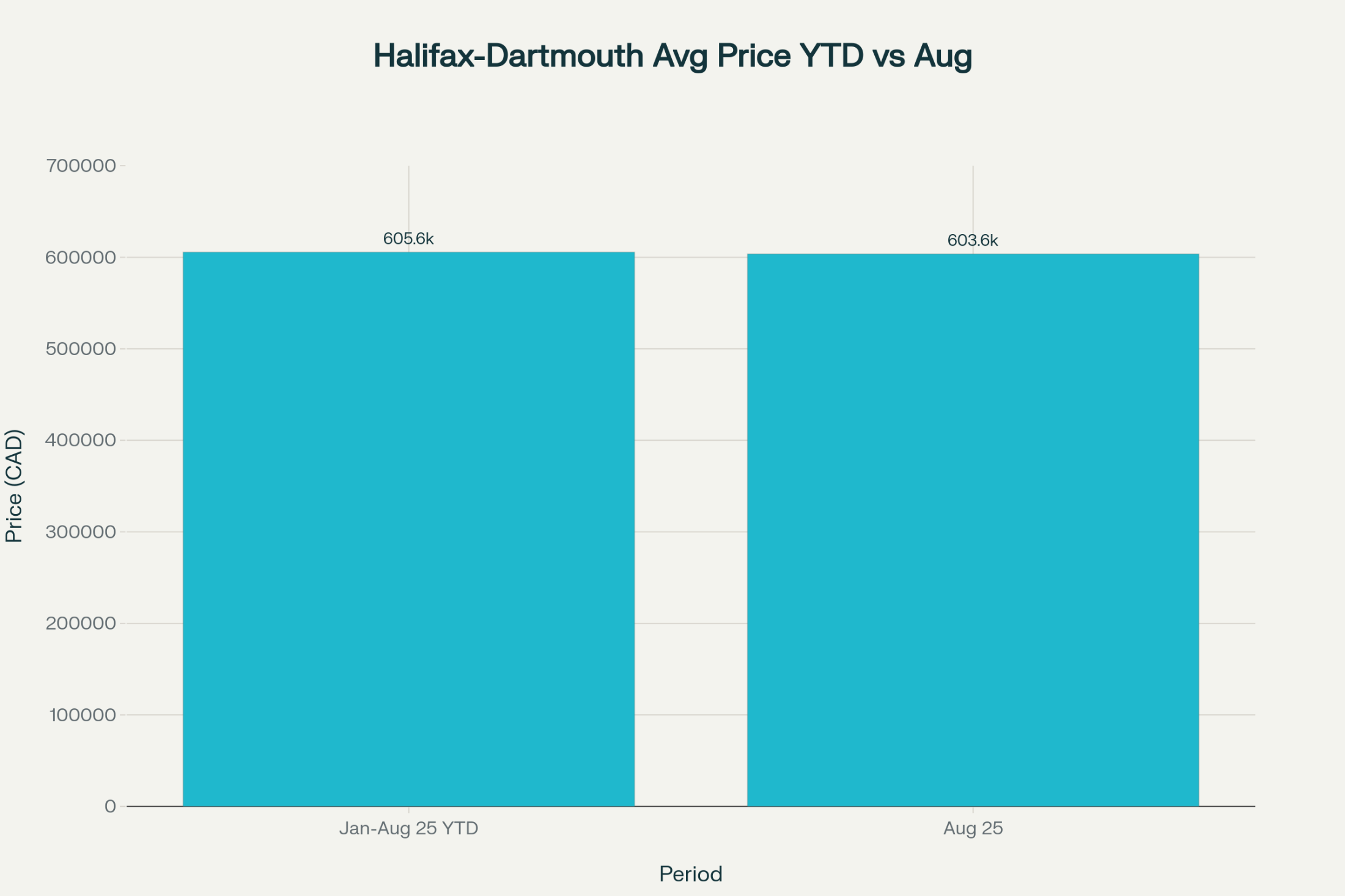
  • Average price (Aug 2025): $603,650 (+5.8% YoY)

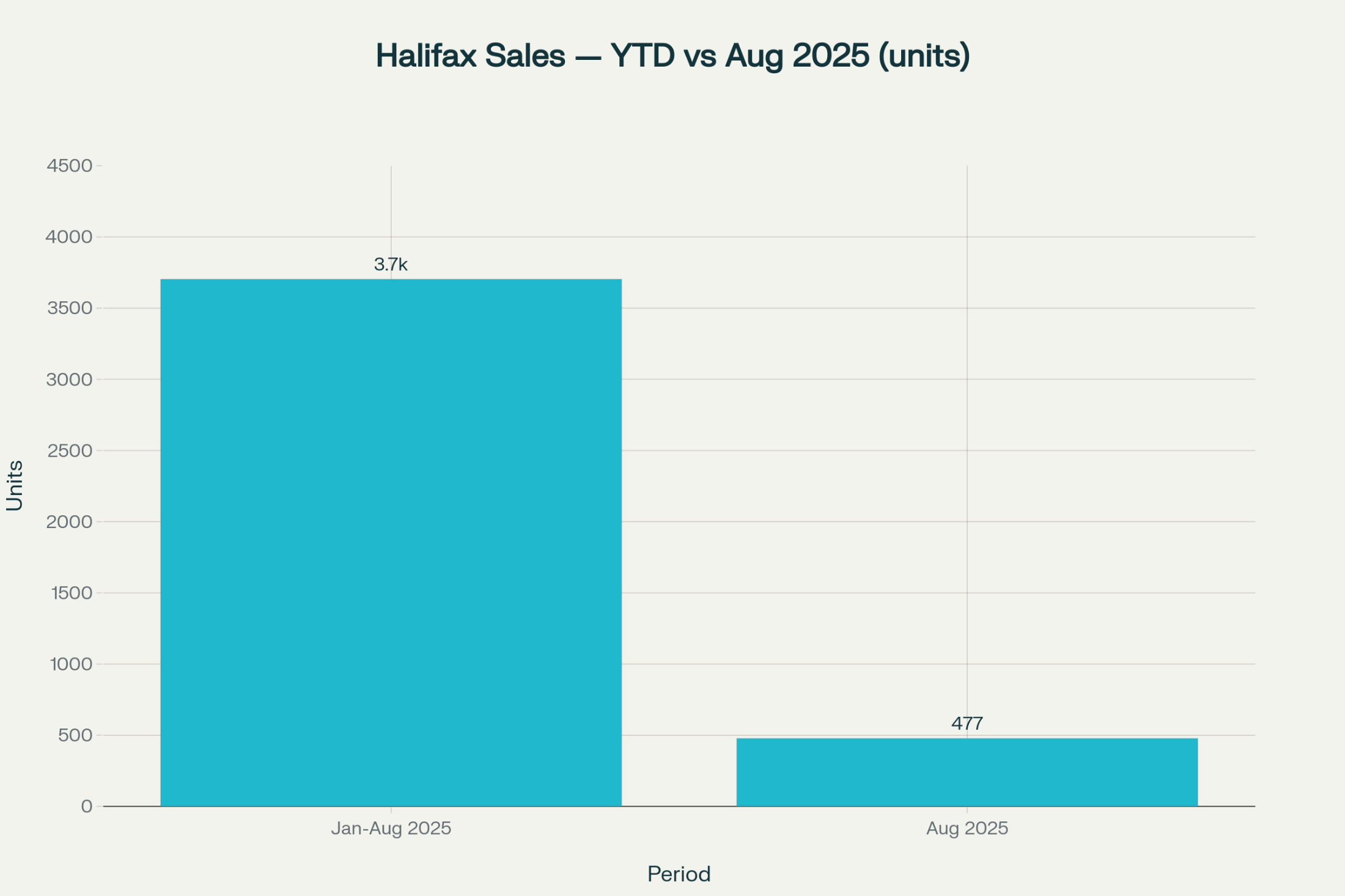
  • Sales (Aug 2025): 477 (–2.7% YoY)

These figures confirm the uptrend in prices across Greater Halifax (HRM), even as sales volumes in August ticked slightly lower year-over-year.


What the BoC rate cut changes

  • Affordability bump: A 25 bps reduction lowers typical mortgage rates modestly, improving purchasing power and widening the pool of qualified buyers.

  • Listing incentives: Sellers who waited for better conditions may list this fall, potentially adding inventory and easing bidding pressure.

  • Outcome to expect: In HRM, that likely translates to continued price resilience, with slower month-to-month gains if new listings rise.

The Bank of Canada’s policy rate is now 2.50% (cut on Sept 17, 2025). If economic risks persist, further easing remains possible, which would reinforce the direction above. (Reuters)


Halifax fall market: signals to watch

  1. New listings vs. sales: If new listings outpace absorbed sales, price growth can flatten even with strong demand.

  2. Neighborhood micro-trends: Family segments in Bedford, Clayton Park, Dartmouth often move first—watch DOM (days on market) and sale-to-list ratios there.

  3. Migration & rentals: HRM’s in-migration and tight rental market support ownership demand; CMHC expects gradual easing but not a quick reversal. (CMHC)


Will prices rise or slow?

Short answer:

  • Rise: Structural demand in HRM remains healthy; August’s +5.8% YoY price data backs that up. 

  • Slow: As borrowing costs ease, inventory may increase, tempering the pace of gains—especially if sales don’t spike at the same rate.

Think of this as a “glide path” rather than a “flip.” A cooling in the rate of increase is more realistic than outright declines unless supply rises sharply or macro conditions weaken materially.


What this means for you

If you’re buying in Halifax–Dartmouth

  • Get pre-approved now—rate moves can change affordability week to week.

  • Target “list-to-last 30 days”: prioritize homes that just hit the market post-cut; they’re most sensitive to new buyer traffic.

  • Use outs in your offer (financing, inspection) but stay competitive on terms in family-friendly price bands.

If you’re selling

  • This fall is attractive: demand is buoyed by cheaper mortgages; supply hasn’t flooded (yet).

  • Preparation wins: light improvements + professional visuals still drive stronger SP/LP ratios.

  • Consider pricing to the bracket just below a common search ceiling to capture more saved searches.

If you’re investing

  • Vacancy should remain low by historical standards, even if it eases; rent fundamentals in HRM are still supportive. Evaluate cash flow at today’s rates and re-run pro formas under another 25–50 bps of potential easing. (CMHC)


FAQ: Halifax after the BoC cut

Will prices drop because rates fell?
Unlikely in the short run. Rate cuts typically support demand; any moderating effect comes from more listings, which temper the pace of price gains rather than reversing them immediately.

Is fall better than waiting for spring?
Fall 2025 offers motivated demand with slightly less competition than peak spring. Spring could be hotter if rates drift lower again.

What if I need to sell and buy?
List after you’ve spoken with your lender about updated approval numbers. Tie purchase conditions to sale timelines to reduce risk.


Bottom line for Halifax–Dartmouth

  • Prices: rising YoY, with signs of slower month-to-month gains ahead if supply builds.

  • Rate cut (2.50%): modest affordability boost that could pull buyers back—and prompt some owners to list.

  • Strategy: move decisively with financing, price to the bracket, and watch new-listing flow over the next 4–8 weeks.


Sources

  • Bank of Canada — “Bank of Canada lowers policy rate to 2½%” (Press release, Sept 17, 2025). (Bank of Canada)

  • NSAR — MLS® Statistical Report (Aug 2025), Halifax–Dartmouth row: $603,650 avg price, 477 sales, +5.8% YoY price, –2.7% YoY sales.

  • (Context) CMHC — Housing Market Outlook 2025: rental conditions expected to ease gradually from very tight levels. (CMHC)


Call to action

Thinking of buying or selling in HRM? Get a custom game plan for your street and price band.
Call/Text: 902-209-4761 · Email: [email protected]
Johnny Dulong, Family Real Estate Advisor — Exit Realty Metro (Halifax, NS)


Read

How Lower Interest Rates Help First-Time Buyers in Halifax

Understanding What's Happening

The housing market in Halifax changes a lot. The Bank of Canada just lowered interest rates by 0.25%. So, what does that mean for buying or selling a house?

In Halifax, low interest rates are a big deal. This is great news if you're buying your first home or even if you're thinking of moving to a bigger or smaller house.

Why Lower Interest Rates?

1. Better for the Economy: Lower rates make it cheaper to borrow money, so more people can afford homes and spend money. This boosts the housing market.

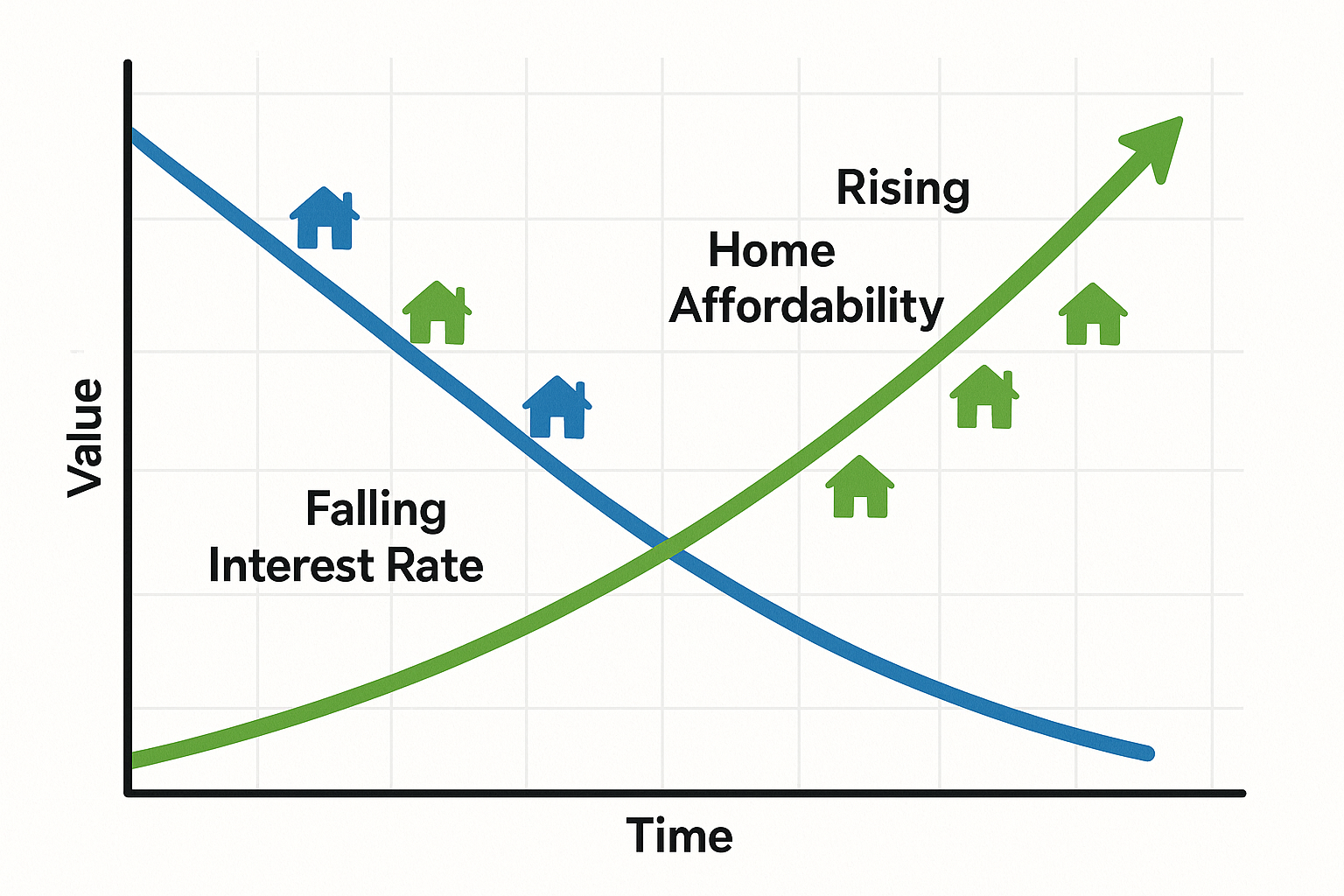
2. Helps Homebuyers: Lower rates reduce monthly payments. This makes buying a house easier, especially for first-time buyers with tight budgets.

3. More Options for Movers: If you’re moving, like military families or retirees, lower rates make it less stressful to buy a new place.

What Does This Mean for You?### First-Time Buyers

Now's a good time to buy your first home. Low rates mean lower monthly payments, so you can save money for other things like repairs and property taxes.

Families Needing Space

Looking for a bigger place? Lower borrowing costs make it a good time for a bigger home that suits your family.

Military Moves

If you're in the military, moving to somewhere like CFB Halifax is easier with lower rates. Less stress about money is always a good thing.

Seniors Downsizing

For seniors thinking of a smaller home, now might be a good time. Sell your big house and buy a smaller one with less financial pressure.

Local Investors

Investors can benefit too. Lower borrowing costs mean better deals on rental properties.

Market Trends Comparing

Compared to last year, this year is better for buyers. Lower rates make houses more affordable.

If the trend continues, house prices might even go up as more people buy.

What Should Buyers and Sellers Do?

For Buyers

1. Get a mortgage pre-approval soon.

2. Check out new areas for good deals.

3. Work with a real estate agent who knows the market.

### For Sellers

1. List your house now to get more interest.

2. Highlight energy-saving features to attract buyers.

3. Show what’s special about your property.

If Trends Continue

If rates stay low, more people might want to buy, which can mean steady or rising home prices. Buyers might face more competition, while sellers could see higher prices.

Conclusion

With the interest rate changes in Halifax, there are big opportunities for all types of home buyers and sellers. Reduced borrowing costs can work for you if you act smart and quickly. Working with a real estate professional can help you make the best decisions.

Johnny Dulong - Family Real Estate Advisor

Call today .... EXIT tomorrow!

902.209.4761

#HalifaxRealEstate #HomesinHalifax #HalifaxRealtor #NSRealEstate #DartmouthRealEstate #BedfordRealEstate #FirstTimeBuyer #MovetoNovaScotia #SellHalifaxRealEstate #BedfordHomesForSale #MilitaryRelocation

Read
Categories:   12 Wing Shearwater | 30-Waverley, Fall River, Oakfield, Halifax-Dartmouth Real Estate | 40-Timberlea, Prospect, St. Margaret's Bay, Halifax-Dartmouth Real Estate | Accessibility | Appraisal | Best Real Estate Agent | BGRS | Bill C-4 | BoC Rate Announcement | Bunky | Buying a Condo | Buying Strategy | Capital Gains | CFB Halifax | CRA | CREA Stats | DDT | Deed Transfer Tax | Deposit held in trust | Disability Support | Divorce | Divorce & Real Estate | DND | Downsizing | Empty Nesters | Executor | Fall River Events Blog | Family Law | Federal Housing Initiative - 13B to build homes in Canada | Federal Housing Program | FHSA | FHSA Gift | First Time Home Buyers | First Time Home Buywers | For Sale By Owner | Foreign buyer ban | Form 408 | Form DR2 | FSBO | FTHB | GST Rebate | Halifax Community & Events | Halifax Market Analysis | Halifax Market Uodate | Halifax Real Estate Blog | Homes in Fall River | House Hunting Trip | Investment Property | Investors | IRP Relocation | Luxury Homes | LUXURY REAL ESTATE | Military Benefits | Military Relocation | Mortgage Facts | Mortgage Penalties | Mortgage Renewal | Multi Unit | New Construction | NS DPAP | NSAR | Oil Tank | Out of Province Buyer | Posted to Halifax | Power of Attorney | Probate | Real Estate Conditions | Real estate law | Realtor | Rent vs Buy | Rent-to-own | Rental Income | Reverse Mortgage | Secondary Suite | Self Employed | Selling Strategy | Seniors Downsizing | Septic Inspection | SIRVA | Stadacona | Tenants in Common | Upsizers | Vacant Land | Well Inspection | Zoning