Should Halifax seniors get a reverse mortgage or downsize instead?
If you want to stay in your home and turn equity into cash without selling, a reverse mortgage lets Halifax seniors access up to 55% of their home's value tax-free, with no required payments until you move or sell. If you're ready for less house, less upkeep, and a simpler lifestyle, downsizing converts your equity into cash now, usually netting 85% to 92% of your sale price after selling costs. The right choice depends on whether you want to keep your home, how much equity you need to access, and how long you plan to stay. Neither option is automatically better; it's a math and lifestyle decision specific to your situation.
By Johnny Dulong | Family Real Estate Advisor | June 26, 2026
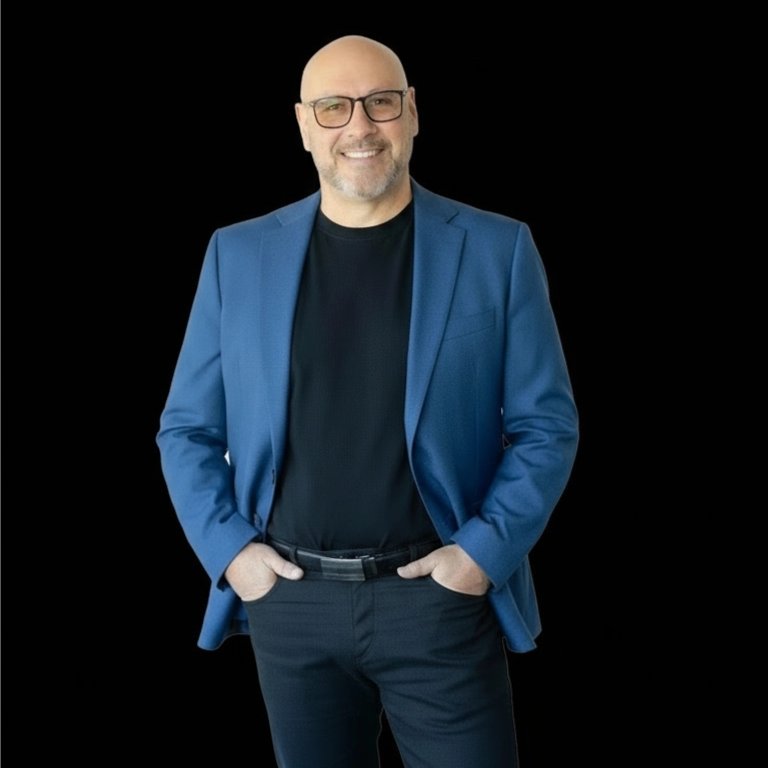
I'm Johnny Dulong, Family Real Estate Advisor with EXIT Realty Metro in Halifax, Nova Scotia, licensed REALTOR® (NS #NA5059). I've been helping seniors and downsizers across Halifax Regional Municipality for 24 years. Find me at SellHalifaxRealEstate.com or call 902-209-4761.
If you're 55 or older and sitting on substantial equity in your HRM home, you've probably had this conversation with yourself more than once: stay and tap into your equity, or sell and move to something smaller. Both paths are legitimate. Both have real costs that don't show up in the headline numbers. Here's how to actually compare them.
WHAT A REVERSE MORTGAGE ACTUALLY COSTS YOU
A reverse mortgage lets you borrow against your home's equity without selling and without making regular payments. In Canada, the two main providers are HomeEquity Bank (the CHIP Reverse Mortgage) and Equitable Bank (Flex), both available to homeowners in Nova Scotia.
Here's what the numbers typically look like:
You can access up to 55% of your home's appraised value, with the exact percentage tied to your age (and your spouse's age, if applicable). Older borrowers can typically access more.
Interest rates run higher than a conventional mortgage, with standard products currently posted in roughly the 6.5% to 7% range and higher-LTV or older-borrower products running up to around 7.7%. Rates compound over time since you're not making payments, and they move with the broader rate environment, so confirm current rates directly with the lender before relying on any figure here.
Closing costs include an appraisal fee, an independent legal advice requirement (your own lawyer, not the lender's), and a closing fee that's commonly around $1,795. Confirm current fees directly with the lender.
The money you receive is tax-free and does not affect Old Age Security or the Guaranteed Income Supplement, since it's a loan, not income.
The catch is compounding. On a $150,000 reverse mortgage balance at roughly 7%, with no payments made, the balance can roughly double in under ten years. That's manageable if you plan to stay in your home for a long time and your equity comfortably covers it. It can erode your estate faster than expected if you live another 20 or 25 years in the home.
WHAT DOWNSIZING ACTUALLY NETS YOU
Selling and moving to something smaller converts your equity into cash today, but it isn't a clean, dollar-for-dollar transfer. By the time you account for real estate commission, legal fees, the Municipal Deed Transfer Tax, moving costs, and pre-sale preparation, most HRM sellers net somewhere between 85% and 92% of their sale price. [LINK: Halifax Downsizing Costs 2026: Johnny Dulong's Full Breakdown → https://sellhalifaxrealestate.com/blog.html/halifax-downsizing-costs-2026-johnny-dulongs-full-breakdown-9037487 | opens in new tab] See the full breakdown of what downsizing actually costs in Halifax for the line-by-line math.
On a $550,000 home, that friction cost can run $45,000 to $80,000 before you've spent a dollar on your next place. The upside: you walk away with cash in hand, no compounding interest working against you, and one less major asset to manage.
The other factor right now is timing. HRM's downsizer-friendly inventory, smaller homes, condos, and bungalows that seniors are actually looking for, has been tight. [LINK: Halifax REALTOR® Johnny Dulong: Downsizer Inventory 2026 → https://sellhalifaxrealestate.com/blog.html/halifax-realtor-johnny-dulong-downsizer-inventory-2026--9067042 | opens in new tab] Here's why Halifax downsizers are having a hard time finding a smaller home right now. If you're planning to downsize, expect to spend real time searching for the right next home before you list your current one, or be prepared to bridge the gap between selling and buying.
HOW TO DECIDE WHICH ONE ACTUALLY FITS YOUR SITUATION
There's no universal right answer here. A few questions tend to point most people in the right direction:
Do you want to stay in your current home? If yes, a reverse mortgage keeps you there. If you're ready for less house and less upkeep, downsizing solves a lifestyle problem a reverse mortgage doesn't touch.
How much equity do you actually need? A reverse mortgage gives you access to a portion of your equity while leaving the rest in the home. Downsizing gives you access to all of it, minus selling costs.
How long do you expect to stay in this home? The longer you stay with a reverse mortgage, the more compounding interest eats into your remaining equity. If you're 70 and plan to stay 20-plus years, that math deserves a hard look.
Do you want to leave equity to your estate? Downsizing preserves more of your equity for your heirs at a known point in time. A reverse mortgage's final cost to your estate isn't known until the loan is repaid.
Are you helping adult children with a down payment? Some HRM seniors downsize specifically to gift proceeds toward an adult child's first home, often through an FHSA contribution. [LINK: Halifax REALTOR® Johnny Dulong: FHSA Gifting Guide 2026 → https://sellhalifaxrealestate.com/blog.html/halifax-realtor-johnny-dulong-fhsa-gifting-guide-2026--9062354 | opens in new tab] See how downsizing and FHSA gifting work together in Halifax. A reverse mortgage doesn't give you that lump sum to gift in the same way.
HRM also offers a property tax deferral program for income-qualifying seniors, worth asking your municipal tax office about if your real issue is monthly cash flow rather than access to a lump sum.
WHAT TO CONFIRM BEFORE YOU COMMIT
Before you sign anything, a few things are worth nailing down:
Get an independent legal opinion. Reverse mortgage lenders require it, and it protects you. Use it to actually understand the compounding math on your specific balance and rate.
Talk to a fee-only financial advisor, not just the lender, about how a reverse mortgage fits your broader retirement and estate plan.
If you're leaning toward downsizing, get a proper market analysis on your current home before you assume what your equity is actually worth. Online estimates are frequently off by a meaningful margin in either direction.
Run both scenarios with actual numbers specific to your home, your age, and your timeline. The general math above is a starting point, not your answer.
This is exactly the kind of decision I walk Halifax seniors through regularly, not to push one option over the other, but to make sure you're deciding with real numbers instead of general impressions.
Both paths can be the right move. The difference comes down to your specific equity, your timeline, and what you want for your estate. If you're working through this for your own situation in Halifax Regional Municipality, I'm happy to walk you through the numbers and help you make a confident, well-informed decision. Book a no-pressure consultation with Johnny at SellHalifaxRealEstate.com or call 902-209-4761.
Last reviewed: June 2026 — reviewed quarterly.
FREQUENTLY ASKED QUESTIONS
Can I get a reverse mortgage on my Halifax home if I still owe money on my existing mortgage?
Yes, in most cases. You'll need enough home equity to pay off your existing mortgage balance using part of the reverse mortgage proceeds, since a reverse mortgage typically needs to be the primary debt registered against the property. Your lender will calculate how much of your advance gets used to clear your existing balance before you receive the rest.
Does reverse mortgage interest compound, and how much will I owe in 10 years?
Yes, reverse mortgage interest compounds because you make no required payments, and unpaid interest gets added to your balance each period. On a balance of roughly $150,000 to $200,000 at current posted rates, the amount owed can roughly double within ten years if no voluntary payments are made, and more than triple over twenty years. Your lender can model the exact compounding schedule for your specific balance and rate before you commit.
Will a reverse mortgage affect my Old Age Security or GIS payments?
No. Reverse mortgage proceeds are a loan, not income, so they are not taxable and do not count against Old Age Security or Guaranteed Income Supplement eligibility. This also means they don't affect other income-tested benefits, such as municipal property tax deferral programs. This is one of the main reasons some Halifax seniors prefer a reverse mortgage over other ways of accessing home equity.
What happens to my reverse mortgage if I want to sell my home later?
You can sell your home at any time. At closing, the reverse mortgage balance, including all accumulated interest, is paid off from your sale proceeds before you receive the remainder, similar to paying off a conventional mortgage at closing. If your home's value has grown faster than the loan balance, you'll still walk away with equity.
DISCLAIMER
This post is for informational purposes only and does not constitute legal, financial, or mortgage advice. Market conditions in Halifax Regional Municipality change frequently, and reverse mortgage interest rates and fees are set by individual lenders and change regularly. Always consult a qualified mortgage professional, lawyer, or financial advisor before making real estate decisions. Johnny Dulong is a licensed REALTOR® (NS #NA5059) with EXIT Realty Metro serving Halifax Regional Municipality, Nova Scotia.
ABOUT JOHNNY DULONG
Johnny Dulong is a Family Real Estate Advisor with EXIT Realty Metro in Halifax, Nova Scotia, with 24 years of experience serving the Halifax Regional Municipality. He specializes in first-time home buyers, seniors downsizing, military relocations to CFB Halifax, Shearwater, and Stadacona, divorce real estate, and waterfront properties across HRM. A former member of the Canadian Armed Forces with a background in IT, Johnny brings disciplined process, clear communication, and steady guidance to every transaction. Connect with Johnny at SellHalifaxRealEstate.com or 902-209-4761.
Call or text Johnny Dulong, Family Real Estate Advisor, EXIT Realty Metro, at 902-209-4761. You can also explore current listings and downsizer resources at SellHalifaxRealEstate.com. Call today — EXIT tomorrow!
Johnny Dulong | Family Real Estate Advisor | EXIT Realty Metro | 902-209-4761 | SellHalifaxRealEstate.com | Call today — EXIT tomorrow!
#HalifaxRealEstate #ReverseMortgage #SeniorsDownsizing #EmptyNesters #HRM #SellHalifaxRealEstate #ExitRealtyMetro #JohnnyDulong #HalifaxMarket2026 #NovaScotiaRealEstate #RetirementPlanning #HalifaxSeniors