RSS

New property listed in 40-Timberlea, Prospect, St. Margaret's Bay, Halifax-Dartmouth

New property listing at 1754 Lower Prospect Road in Terence Bay. See details here

This beautifully crafted custom built two-level home offers quality construction, thoughtful design, & modern comfort throughout. Featuring in-floor radiant heat on both levels, 2 new ductless heat pumps, this home ensures year-round efficiency & comfort. The upper level showcases stunning engineered hardwood, while the main level features ceramic tile designed to retain warmth. With 4 spacious bedrooms and 2.5 baths, including a luxurious ensuite with a corner air jet tub, there’s room for the whole family to relax and unwind. The gorgeous kitchen is a chef’s delight, with stainless steel appliances, farmhouse sink, custom pantry, & ample workspace. Large Rec room is perfect for entertaining along with room for a games table. Additional highlights include double garage with storage room, generator-ready, & large windows that fill the home with natural light. Located just minutes from the Terence Bay Wilderness Area, boat launch, & opportunities for kayaking and boating, all within 20 minutes of Halifax — this property offers the perfect balance of comfort, style, and coastal living.

Read

Halifax - Dartmouth Real Estate Market Stats
Halifax Real Estate Newsletter - November 2025

Halifax - Dartmouth
Real Estate Newsletter

November 2025

Hi {{contact.first_name}},

October brought some interesting momentum to our Halifax-Dartmouth market. With 483 homes changing hands and prices ranging from under $100,000 to over $4 million, there's activity at every level. What stands out most is the strength in the entry-level market—199 sales under $500,000 shows there's opportunity for buyers ready to make their move.

Here's what the numbers are telling us about where we are heading into the final stretch of 2025.

Market Snapshot

The Numbers That Matter (NS)

AVERAGE HOME PRICE (OCT)

$593,970

↑ 2.5% vs last year

HOMES SOLD (OCT)

483

↑ 11% vs last year

NEW LISTINGS

587

↑ 11% vs last year

MARKET BALANCE

3.7 Months

More options available

Source: NSAR Nova Scotia MLS® Statistics (October 2025)

The Halifax-Dartmouth market saw solid activity in October with balanced opportunity across price ranges. Here's what happened:

  • 483 total home sales with an average price of $593,970 and median of $545,000
  • 199 homes sold under $500,000 (entry-level market showing strong demand)
  • 140 sales in the $600K-$900K range (mid-market remains active)
  • 32 homes sold over $1 million (268 currently listed above this threshold)
  • 396 single-family homes sold, with 320 detached, 56 semi-detached, and 19 townhouses

The data shows healthy activity for first-time buyers and those looking to upsize or downsize. With inventory available and rates stabilizing, motivated buyers have options worth exploring.

Featured Listings

Custom-built home at 1754 Lower Prospect Road, Terence Bay

1754 Lower Prospect Road, Terence Bay - MLS 202526373

  • Custom-built two-level home with 2,824 sq ft, 4 bedrooms, and 2.5 baths
  • In-floor radiant heat on both levels plus two new ductless heat pumps for year-round comfort
  • Chef's kitchen with stainless appliances, farmhouse sink, and custom pantry
  • Minutes from Terence Bay Wilderness Area, boat launch, and kayaking opportunities
  • Just 20 minutes from Halifax—perfect balance of coastal living and city access

Want to learn more about this property or explore other coastal options? View full listing details or contact me to schedule a showing.

Latest Content

First-time home buyers reviewing documents

Important Things First-Time Buyers Should Do Before Getting a Mortgage — Preparing financially is key to a smooth home buying experience. This guide covers affordability calculations, credit preparation, mortgage pre-approval, and assembling your real estate team. Read the full guide

Community Spotlight

Growing Halifax neighbourhoods

Three neighbourhoods are catching the attention of first-time buyers looking for value and growth potential:

Fairview — One of Halifax's fastest-growing areas, offering affordability just minutes from downtown. With essential shops, amenities, and hospital proximity, Fairview balances city convenience with lower costs. Learn more about Fairview

Dartmouth — The "City of Lakes" continues its steady development with revitalized areas like Downtown Dartmouth attracting young professionals and families. The 15-minute ferry to Halifax makes commuting easy while keeping housing costs reasonable. Explore Dartmouth neighbourhoods

Spryfield — Offering some of the most affordable housing in Halifax, Spryfield features family-friendly amenities, schools, parks, and recent infrastructure improvements that are boosting its appeal. Discover Spryfield options


Before you go: Whether you're thinking about buying, selling, or just want to understand your home's current value in today's market, I'm here to provide the accurate information you need to make informed decisions.

Call today ... Exit Tomorrow! Get in touch to discuss your real estate goals.

Thinking About Your Next Move?

Whether you're a first-time buyer wondering about affordability, a family looking to upsize, or considering downsizing for retirement, I'm here to provide the accurate information you need to make confident decisions.

Schedule Your Free Consultation
Johnny Dulong

Johnny Dulong

Family Real Estate Advisor

Exit Realty Metro

[email protected]

902-209-4761

www.SellHalifaxRealEstate.com

Exit Realty Metro

Helping Halifax families navigate real estate with confidence for 24 years.

© 2025 Johnny Dulong, Exit Realty Metro. All rights reserved.

P.S. This newsletter is designed to keep you informed about our local market. If you'd prefer different types of updates or have specific questions about your neighbourhood, just reply and let me know.

Read

Why More Buyers Are Choosing Small Towns Around Halifax in 2026

Article Updated: March 2026
Location: Halifax Regional Municipality and nearby communities in Nova Scotia
Topic: Small-town living near Halifax

For many buyers in 2026, the conversation is no longer just about living in Halifax itself. More people are looking seriously at smaller communities around the city because they want a different balance of price, pace, space, and lifestyle.

That shift makes sense in the current market. Halifax Regional Municipality has been dealing with strong population growth, housing pressure, and affordability concerns for several years. HRM says the municipality’s housing shortage was estimated at almost 20,000 units as of 2023 and still growing, while its broader planning work continues to focus on housing, mobility, and affordability.

Quick Answer: Why People Are Moving to Small Towns Around Halifax

More people are choosing small towns around Halifax because they want more space, better value, quieter surroundings, and a different pace of life while still staying connected to the city. For many buyers, nearby communities offer a practical alternative when Halifax itself feels too expensive, too competitive, or too limited for their current stage of life.

Common reasons include:

  • more home for the money

  • more land or yard space

  • quieter neighbourhoods

  • easier fit for growing families

  • appealing options for downsizers

  • access to Halifax jobs, services, and amenities without living in the urban core

Who This Guide Is For

This guide is especially helpful for:

  • first-time buyers priced out of central Halifax

  • upsizing families who need more room

  • military households relocating to CFB Halifax

  • buyers moving from out of province

  • empty nesters looking for a quieter setting

  • seniors considering a lower-maintenance lifestyle outside the city core

Why Halifax Is Pushing More Buyers to Look Beyond the Core

The main reason is simple: housing pressure changes search behaviour. HRM has acknowledged ongoing affordability and supply challenges, and recent planning updates continue to focus on accelerating housing across the region.

For buyers, that often means rethinking location. Instead of concentrating only on Halifax Peninsula neighbourhoods or the most in-demand urban areas, more people are asking a different question: where can I still live well and stay reasonably connected?

That is where nearby small towns and outer communities start to look much more attractive.

More Space Often Matters More Than a Downtown Postal Code

For first-time buyers and growing families, a smaller town can offer something Halifax often struggles to provide at the same price point: more space. That can mean a larger lot, a bigger home, more bedrooms, or simply a layout that works better for everyday life.

For many households, especially those with children or hybrid work schedules, space is no longer a “nice to have.” It affects daily comfort, storage, privacy, and long-term suitability.

A Slower Pace of Life Is a Real Selling Point

Not every buyer wants the pace of the city. Many people are drawn to small-town living because it feels calmer and more manageable. That can be especially appealing for retirees, empty nesters, and buyers who want less noise, less traffic, and a stronger sense of community.

Your own community pages reflect that appeal. Beaver Bank is described as combining rural charm with suburban amenities, while East Hants and Colchester West are presented as offering small-town centres, scenic surroundings, and room to grow. Lawrencetown is also positioned as having a strong small-town feel with access to coastal scenery and trails.

Buyers Still Want Halifax Access

One reason this trend is growing is that choosing a small town does not always mean giving up Halifax entirely. Many nearby communities still allow for access to Halifax jobs, shopping, healthcare, schools, and entertainment, while offering a different living environment at home.

That balance matters. HRM’s planning and growth strategy continues to focus on mobility and complete communities, which reflects how connected the broader region has become.

For many buyers, the goal is not to leave the Halifax region. It is to live differently within it.

Why This Appeals to Different Types of Buyers

First-Time Buyers

Many first-time buyers are open to trading a central location for more affordability and a more realistic entry point. A smaller town may offer a better chance to buy sooner rather than waiting longer to save for an urban property.

Growing Families

Families who need more bedrooms, storage, and outdoor space often find that small towns offer a better fit than compact city housing. The appeal is not just square footage. It is how the home works for family life.

Military Relocations

Military buyers often need practical solutions quickly. A smaller community near Halifax can offer more choice, less pressure, and a lifestyle that feels more stable during a relocation.

Empty Nesters and Seniors

For downsizers, a small town can offer a quieter daily rhythm and a stronger sense of comfort. Some still want a detached home, just with less noise and a more relaxed setting than the urban core.

The Market Is Also Encouraging Broader Searches

Nova Scotia Association of REALTORS data for January 2026 showed active residential listings were up 3.7% year over year and months of inventory rose to 6.7, close to the long-run average for that time of year. Halifax’s unemployment rate was 5.8% in January 2026, which remained below its long-run average. Taken together, that points to a market and economy where buyers may feel more comfortable exploring options across a wider geographic area rather than chasing only the hottest urban pockets.

That does not mean every small town is suddenly cheap or overlooked. It means buyers have reasons to widen the map.

Practical Example or Scenario

A first-time buyer renting in Halifax may start by looking only at the city core, then realize the monthly payment and down payment requirements feel too tight. Expanding the search to a smaller nearby community may create a better fit between budget and lifestyle.

A growing family may make a similar shift for different reasons. Instead of paying more for a smaller city home, they may choose a community outside Halifax where they can get more usable space and a yard while still staying connected to work and school.

What I See Working With Halifax Buyers

A lot of buyers are becoming more flexible about where they live, as long as the overall lifestyle makes sense. The conversation is less about “city versus country” and more about finding the right mix of value, commute, home size, and long-term fit.

That is one reason small towns around Halifax are getting more attention. They are solving problems that many buyers feel in the city core.

Key Takeaways

  • More buyers are considering small towns around Halifax because of affordability, space, and lifestyle.

  • HRM continues to face housing pressure and has said its housing shortage was estimated at almost 20,000 units as of 2023.

  • Halifax’s broader planning focus now emphasizes housing, mobility, and affordability.

  • Smaller communities appeal to first-time buyers, families, military relocations, and downsizers for different reasons.

  • Nearby communities can still provide reasonable access to Halifax while offering a quieter setting.

  • Early 2026 market data suggests buyers may feel more comfortable expanding their search beyond the most competitive urban areas.

The Bottom Line

More people are choosing small towns around Halifax because they offer a different kind of value. For many buyers, that value is not only about purchase price. It is about space, lifestyle, flexibility, and a better overall fit for where they are in life.

In 2026, that trend is likely to continue. Halifax remains the economic and lifestyle anchor for the region, but more buyers are realizing they do not have to live in the middle of the city to benefit from it.

About the Author

Johnny Dulong is a Family Real Estate Advisor serving the Halifax Regional Municipality in Nova Scotia. He specializes in helping first-time buyers, military relocations to CFB Halifax, and homeowners downsizing navigate the Halifax real estate market.

Author Contact / CTA

Johnny Dulong
Family Real Estate Advisor

Call today … EXIT tomorrow!

902-209-4761

Disclosure

This article is provided for informational purposes only and should not be considered financial, mortgage, or legal advice. Buyers and sellers should consult qualified professionals before making real estate decisions.

Frequently Asked Questions

Why are people moving to small towns around Halifax?

Many buyers are looking for more space, better value, and a quieter lifestyle while still staying connected to Halifax for work, services, and amenities.

Are small towns around Halifax more affordable?

They can be, depending on the specific community and property type. Many buyers look outside the city because they may get more home or more land for the same budget.

Are small towns a good option for military families moving to Halifax?

They can be. For many military households, nearby communities offer more flexibility, a calmer setting, and additional housing options during relocation.

Are more families leaving Halifax for outer communities?

Many families are broadening their search beyond the city core because they want more space and a better fit for their budget and day-to-day needs.

Will small-town demand around Halifax keep growing?

It may, especially as housing affordability and supply remain major regional issues. Buyers should still assess commute, services, and long-term suitability before making a move.

Data Sources

Information referenced in this article is based on publicly available materials from Halifax Regional Municipality, CREA/NSAR, and related Halifax region planning and economic sources as of March 2026.

Related Halifax Real Estate Guides

East Hants/Colchester West
Beaverbank, Upper Sackville
Lawrencetown, Lake Echo, Porters Lake

Links

https://sellhalifaxrealestate.com/community-east-hants-colchester-west.html
https://sellhalifaxrealestate.com/community-beaverbank-upper-sackville.html
https://sellhalifaxrealestate.com/community-lawrencetown-lake-echo-porters-lake.html

Read

What First-Time Buyers Should Do Before Getting a Mortgage in Halifax

Article Updated: March 2026
Location: Halifax Regional Municipality, Nova Scotia
Topic: First-Time Buyer Mortgage Preparation

Getting a mortgage in Halifax is not just about finding a lender and filling out an application. For most first-time buyers, the real work starts earlier with budgeting, credit, savings, and understanding the local costs that come with buying a home.

That matters even more in Halifax because buyers need to plan for more than just a down payment. Closing costs, deed transfer tax, and lender qualification rules can all affect how much home you can realistically buy. CMHC says buyers should generally expect closing costs in the range of 1.5% to 4% of the purchase price, and Halifax deed transfer tax is 1.5% on the value of the property transferred.

Quick Answer: What First-Time Buyers Should Do Before Getting a Mortgage

Before applying for a mortgage in Halifax, first-time buyers should understand their budget, check their credit, save for both the down payment and closing costs, gather income documents, and get pre-approved before house hunting.

The most important steps are:

  • know how much you can comfortably afford

  • understand minimum down payment rules

  • budget for Halifax closing costs and deed transfer tax

  • review your credit and debts

  • gather proof of income, savings, and identification

  • compare lenders or mortgage options

  • get pre-approved before making offers

Who This Guide Is For

This guide is especially helpful for:

  • first-time buyers in Halifax and Dartmouth

  • renters preparing to move into ownership

  • young professionals buying a condo or starter home

  • couples buying together for the first time

  • military members relocating to CFB Halifax

  • previous owners who have not owned a home in the last four years and may still qualify for some first-time buyer programs

1. Understand What You Can Really Afford

Before speaking with a lender, it helps to build a realistic monthly budget. Buyers should look at not only mortgage payments, but also property taxes, heating, insurance, condo fees if applicable, and regular debt payments.

This step matters because your comfortable budget and your lender’s maximum approval amount are not always the same thing. Buying at the very top of your approval can leave little room for repairs, moving costs, or future rate changes.

2. Learn the Minimum Down Payment Rules

Many first-time buyers still assume they need 20% down to buy a home. In Canada, that is not usually the case. CMHC says the minimum down payment is typically 5% for homes priced at $500,000 or less, and 5% on the first $500,000 plus 10% on the portion above $500,000 for homes priced over that amount. Homes at $1.5 million or more require at least 20% down because insured financing is not available.

For Halifax buyers, understanding that rule early helps you set a realistic savings target. It also helps you avoid wasting time looking at homes that would require more cash than you have available.

3. Know That Down Payment Is Not the Only Cash You Need

Saving the down payment is only part of the job. CMHC says closing costs usually range from 1.5% to 4% of the purchase price, and those costs are generally due when the transaction closes.

In Halifax, one of the biggest local closing costs is deed transfer tax. HRM’s rate is 1.5%. On a $500,000 home, that alone would be about $7,500, before legal fees and other closing expenses. That is a straightforward calculation based on the municipal rate.

4. Check Your Credit Before a Lender Does

A lender will review your credit history, not just your income. That is why first-time buyers should check their credit early, correct any reporting issues, and avoid taking on new debt right before a mortgage application.

For Nova Scotia’s new First-time Homebuyers Program, the Province says the minimum credit score is generally 630. Nova Scotia’s Down Payment Assistance Program uses a 650 minimum credit score. Even when you are not using one of those programs, stronger credit can still improve your financing options.

5. Organize Your Documents Early

Mortgage approval usually moves more smoothly when buyers gather their paperwork in advance. That often includes recent pay stubs, job letters, tax documents, bank statements, identification, and proof of down payment.

This step is especially important for self-employed buyers, military relocations, or anyone receiving gifted funds. Lenders often want a clear paper trail, and delays usually happen when documents are incomplete.

6. Compare Mortgage Options and Buyer Programs

Not every first-time buyer will use the same mortgage path. Some buyers will use standard insured financing. Others may qualify for provincial support.

Nova Scotia’s new First-time Homebuyers Program, launched on February 3, 2026, allows eligible buyers to purchase with 2% down through participating credit unions, with the Province guaranteeing 90% of any lender shortfall in a default scenario. Nova Scotia also continues to offer the Down Payment Assistance Program, which provides an interest-free loan of 5% of the purchase price to eligible first-time buyers who pre-qualify for an insured mortgage. These are different programs with different rules.

For some Halifax buyers, these programs may improve the path to ownership. For others, traditional financing may still be the better fit.

7. Get Pre-Approved Before You Start House Hunting

Pre-approval helps buyers understand their likely price range before they start making offers. It can also make your offer stronger because sellers can see you have already taken steps with a lender.

Pre-approval is not the same as final approval, but it is still one of the most important early steps. CMHC’s homebuying guide describes a mortgage approval or commitment letter as written notification from a lender that a mortgage loan of a specific amount is approved under stated terms and conditions.

8. Build the Right Team Around You

Before buying, first-time buyers should also line up the right professionals. That usually means a real estate agent, a mortgage professional or lender, and a lawyer. Depending on the property, it may also include a home inspector.

This matters because mortgage qualification is only one part of the process. A good team helps buyers avoid mistakes, understand timelines, and make informed decisions once the right property appears.

9. Understand Halifax-Specific Costs and Conditions

Buying in Halifax comes with local considerations that buyers should understand before they apply for financing. Deed transfer tax is one example, but so is the fact that market conditions, condo fees, commute patterns, and neighbourhood choices can all affect the right purchase decision.

A first-time buyer looking in Halifax Peninsula, Dartmouth, Bedford, or Sackville may face different trade-offs in price, property type, and transportation. That is why mortgage preparation should happen alongside a real discussion about where and how you want to live.

Practical Example or Scenario

A first-time buyer planning to purchase a $500,000 home in Halifax might focus first on saving a 5% down payment, or $25,000. But that buyer also needs to budget for closing costs, including Halifax deed transfer tax of about $7,500 plus legal fees and other adjustments.

A different buyer may qualify for Nova Scotia’s new 2% down program through a participating credit union. In that case, the upfront down payment target could be lower, but the buyer would still need to pass qualification rules and cover closing costs separately.

What I See Working With Halifax Buyers

Many first-time buyers spend a lot of time looking at listings before they are financially ready. The smoother path is usually the opposite. When buyers know their numbers, understand local closing costs, and get pre-approved early, the actual home search becomes much less stressful and much more focused.

Key Takeaways

  • First-time buyers should understand both their monthly budget and their total cash needed before applying for a mortgage.

  • In Canada, the usual minimum down payment starts at 5%, not 20%, for many homes.

  • CMHC says closing costs typically range from 1.5% to 4% of the purchase price.

  • Halifax deed transfer tax is 1.5%, which can be a major closing cost.

  • Nova Scotia’s new First-time Homebuyers Program and DPAP may help some eligible buyers, but they follow different rules.

  • Pre-approval is one of the most useful early steps before house hunting.

The Bottom Line

Before getting a mortgage in Halifax, first-time buyers should do the financial groundwork first. That means understanding the down payment rules, checking credit, budgeting for deed transfer tax and closing costs, and getting pre-approved before falling in love with a property.

For many buyers, the biggest mistake is focusing only on the monthly mortgage payment. The better approach is to plan for the full cost of buying and make sure the home still fits your life comfortably after closing.

About the Author

Johnny Dulong is a Family Real Estate Advisor serving the Halifax Regional Municipality in Nova Scotia. He specializes in helping first-time buyers, military relocations to CFB Halifax, and homeowners downsizing navigate the Halifax real estate market.

Author Contact / CTA

Johnny Dulong
Family Real Estate Advisor

Call today … EXIT tomorrow!

902-209-4761

Disclosure

This article is provided for informational purposes only and should not be considered financial, mortgage, or legal advice. Buyers and sellers should consult qualified professionals before making real estate decisions.

Frequently Asked Questions

What should first-time buyers do before applying for a mortgage in Halifax?

They should review their budget, check their credit, save for both the down payment and closing costs, and get pre-approved before house hunting.

How much down payment do I need to buy a home in Halifax?

For many homes in Canada, the minimum starts at 5%. For homes above $500,000, the minimum is 5% on the first $500,000 and 10% on the portion above that amount.

Do first-time buyers in Halifax need to budget for closing costs?

Yes. CMHC says closing costs usually range from 1.5% to 4% of the purchase price, and Halifax buyers also need to account for local deed transfer tax.

What is Halifax deed transfer tax in 2026?

Halifax deed transfer tax is 1.5% of the value of the property transferred.

Are there first-time buyer programs in Nova Scotia?

Yes. Nova Scotia has the new First-time Homebuyers Program and the Down Payment Assistance Program, each with its own eligibility rules.

Data Sources

Information referenced in this article is based on publicly available materials from CMHC, Halifax Regional Municipality, and the Government of Nova Scotia as of March 2026.

Related Halifax Real Estate Guides

How to Budget for Closing Costs on a $500K Halifax Home (2026 Guide)
How the Nova Scotia 2% Down Payment Program Works in 2026
Navigating the Halifax Housing Market: Tips for First-Time Buyers and More

Links

https://sellhalifaxrealestate.com/blog.html/how-to-budget-for-closing-costs-on-a-500k-halifax-home-2026-guide-8945275
https://sellhalifaxrealestate.com/blog.html/how-the-nova-scotia-2-down-payment-program-works-in-2026-8927960
https://sellhalifaxrealestate.com/blog.html/thinking-about-buying-your-first-home-in-halifax-8915744

Read

Important Things First-Time Buyers Should Do Before Getting a Mortgage in Halifax

Article Updated: March 2026
Location: Halifax Regional Municipality, Nova Scotia
Topic: First-Time Buyer Mortgage Preparation

Buying your first home in Halifax can feel exciting and intimidating at the same time. Many first-time buyers focus on listings first, but the smarter move is to get financially prepared before you start shopping. That includes understanding your budget, knowing the local closing costs, checking your credit, and getting pre-approved before you make an offer.

That preparation matters in Halifax because buying here involves more than just a down payment. Buyers should plan for closing costs, deed transfer tax, legal fees, and the other expenses that show up before closing day. Understanding those numbers early helps you set a more realistic price range and avoid surprises later.

Quick Answer: What First-Time Buyers Should Do Before Getting a Mortgage

Before applying for a mortgage in Halifax, first-time buyers should review their budget, understand the minimum down payment rules, save for closing costs, check their credit, organize their documents, compare mortgage options, and get pre-approved before house hunting.

The most important steps are:

  • understand what you can comfortably afford

  • learn the minimum down payment rules

  • budget for Halifax closing costs and deed transfer tax

  • review your credit and current debts

  • organize income and savings documents

  • compare lenders and mortgage programs

  • get pre-approved before making offers

Who This Guide Is For

This guide is especially helpful for:

  • first-time buyers in Halifax and Dartmouth

  • renters preparing to move into ownership

  • young professionals buying a starter home or condo

  • couples buying together for the first time

  • military members relocating to CFB Halifax

  • buyers exploring Nova Scotia first-time buyer programs

1. Understand What You Can Really Afford

Before speaking with a lender, start with your monthly budget. It is important to look at mortgage payments, property taxes, heating, home insurance, condo fees if applicable, and any existing debt payments.

Your comfortable budget and your lender’s maximum approval amount are not always the same. Buying at the top of your approval range can leave little room for repairs, moving costs, or unexpected monthly expenses.

2. Learn the Minimum Down Payment Rules

Many first-time buyers still assume they need 20% down to buy a home. In Canada, that is not usually the case.

For many homes, the minimum down payment starts at 5%. For homes above $500,000, the minimum down payment increases on the portion above that amount. Homes at higher price points may require 20% down. Understanding that rule early helps Halifax buyers set a realistic savings target and keeps the home search grounded in reality.

3. Budget for Closing Costs, Not Just the Down Payment

A lot of first-time buyers focus on saving the down payment and forget about the rest of the cash needed to close. Closing costs can add up quickly.

In Halifax, one of the biggest local costs is deed transfer tax. Halifax Regional Municipality charges 1.5% deed transfer tax. On a $500,000 home, that works out to $7,500 before legal fees and other closing expenses.

4. Check Your Credit Early

Before applying for a mortgage, it is worth reviewing your credit history and correcting any errors. A stronger credit profile can improve your financing options and help avoid surprises during the pre-approval stage.

A better credit score can also help you access stronger mortgage terms. This is one of the simplest steps buyers can take before speaking with a lender.

5. Organize Your Documents Before You Apply

Getting a mortgage is easier when your paperwork is ready in advance. Most buyers should expect to provide proof of income, employment information, bank statements, identification, and proof of down payment funds.

This step is especially important if you are self-employed, receiving gifted down payment funds, or relocating for work. A clear paper trail can make the approval process much smoother.

6. Compare Mortgage Options and First-Time Buyer Programs

Not every first-time buyer in Halifax will use the same financing path. Some will use standard insured financing. Others may qualify for provincial support.

Nova Scotia’s First-time Homebuyers Program and other assistance options may help some buyers reduce the upfront barrier to ownership. It is worth understanding what programs are available before you begin serious house hunting.

7. Get Pre-Approved Before House Hunting

Mortgage pre-approval is one of the most useful steps a first-time buyer can take. It helps clarify your likely price range and makes you a more credible buyer when you find a home you want.

Pre-approval is not the same as final approval, but it gives buyers a much stronger starting point. It can also help prevent disappointment by making sure your search matches your financial reality.

8. Build the Right Team

Before buying, first-time buyers should line up the right professionals. That usually means a real estate agent, a lender or mortgage professional, and a real estate lawyer. Depending on the property, a home inspector may also be important.

This matters because getting the mortgage is only one part of the transaction. A good team helps buyers understand conditions, timelines, inspections, legal paperwork, and closing day expectations.

9. Understand Halifax-Specific Costs and Choices

Buying in Halifax is not only about getting approved for the biggest mortgage possible. It is about choosing a home that still works well after factoring in taxes, heating, commute, condo fees, and local closing costs.

That is especially important for first-time buyers choosing between Halifax Peninsula, Dartmouth, Bedford, Sackville, or communities outside the urban core. The best mortgage decision is the one that supports the lifestyle and monthly budget you can actually maintain.

Practical Example or Scenario

A first-time buyer planning to purchase a $500,000 home in Halifax might need a minimum down payment of $25,000 under standard insured mortgage rules. That same buyer should also budget for closing costs, including about $7,500 in Halifax deed transfer tax, plus legal fees and adjustments.

A different buyer may qualify for Nova Scotia’s 2% down program through a participating credit union. In that case, the upfront down payment target could be lower, but closing costs would still need to be paid separately.

What I See Working With Halifax Buyers

Many first-time buyers spend too much time looking at homes before they know their numbers. The buyers who usually have the smoothest experience are the ones who understand their budget, prepare their documents early, and get pre-approved before they start chasing listings.

Key Takeaways

  • First-time buyers should understand both monthly affordability and total cash needed before applying for a mortgage.

  • In Canada, the usual minimum down payment often starts at 5%, not 20%.

  • Closing costs can be a major part of the cash needed to buy a home.

  • Halifax deed transfer tax is 1.5% and can be one of the biggest closing costs.

  • Nova Scotia first-time buyer programs may help some eligible buyers.

  • Pre-approval is one of the most useful steps before house hunting.

The Bottom Line

Before getting a mortgage in Halifax, first-time buyers should focus on preparation first. That means understanding down payment rules, checking credit, saving for both the down payment and closing costs, and getting pre-approved before falling in love with a property.

For most buyers, the real goal is not just mortgage approval. It is buying a home that still feels comfortable and manageable after closing.

About the Author

Johnny Dulong is a Family Real Estate Advisor serving the Halifax Regional Municipality in Nova Scotia. He specializes in helping first-time buyers, military relocations to CFB Halifax, and homeowners downsizing navigate the Halifax real estate market.

Author Contact / CTA

Johnny Dulong
Family Real Estate Advisor

Call today … EXIT tomorrow!

902-209-4761

Disclosure

This article is provided for informational purposes only and should not be considered financial, mortgage, or legal advice. Buyers and sellers should consult qualified professionals before making real estate decisions.

Frequently Asked Questions

What should first-time buyers do before applying for a mortgage in Halifax?

They should review their budget, check their credit, save for both the down payment and closing costs, and get pre-approved before house hunting.

How much down payment do I need to buy a home in Halifax?

For many homes in Canada, the minimum starts at 5%. For homes above $500,000, the minimum increases on the portion above that amount.

Do first-time buyers in Halifax need to budget for closing costs?

Yes. Buyers should budget for legal fees, adjustments, and Halifax deed transfer tax in addition to the down payment.

What is Halifax deed transfer tax in 2026?

Halifax deed transfer tax is 1.5% of the value of the property transferred.

Are there first-time buyer programs in Nova Scotia?

Yes. Nova Scotia has first-time buyer support programs that may help some eligible buyers depending on their situation.

Data Sources

Information referenced in this article is based on publicly available materials from CMHC, the Financial Consumer Agency of Canada, Halifax Regional Municipality, and the Government of Nova Scotia as of March 2026.

Related Halifax Real Estate Guides

Understanding Closing Costs When Buying Your First Home in Halifax
How the Nova Scotia 2% Down Payment Program Works in 2026
Steps for Young Professionals to Buy Their First Home in Halifax

Links

https://sellhalifaxrealestate.com/blog.html/-understanding-closing-costs-when-buying-your-first-home-in-halifax-8859471
https://sellhalifaxrealestate.com/blog.html/how-the-nova-scotia-2-down-payment-program-works-in-2026-8927960
https://sellhalifaxrealestate.com/blog.html/steps-for-young-professionals-to-buy-their-first-home-in-halifax-8865215

Read

Halifax Investment Opportunities in 2026: What First-Time Buyers, Upsizers, and Investors Should Know

Article Updated: March 2026
Location: Halifax Regional Municipality, Nova Scotia
Topic: Investment Property

Halifax continues to attract attention from buyers who want more than just a place to live. Some are thinking about owner-occupied duplexes, some want a long-term rental property, and others are watching neighbourhoods where zoning and housing policy changes could affect future value.

That said, Halifax is not a market to approach casually. HRM says the municipality is still facing major housing availability challenges and has an estimated housing shortage of almost 20,000 units that continues to grow. At the same time, planning changes, added supply, and shifting rental conditions mean investors need to be more selective than they did during the tightest recent years.

Quick Answer: Are There Still Good Investment Opportunities in Halifax?

Yes, Halifax still offers investment opportunities, but the strongest opportunities in 2026 are usually tied to specific strategies rather than broad market hype. Buyers should focus on property type, location, zoning flexibility, rental demand, and realistic financing assumptions.

Opportunities may exist for:

  • first-time buyers using owner-occupied multi-unit properties

  • upsizers keeping or converting property into a rental

  • investors targeting small multi-unit buildings

  • buyers watching areas affected by zoning and planning changes

  • downsizers seeking income-producing real estate for retirement planning

The best opportunities tend to come from careful neighbourhood selection and realistic underwriting, not from assuming every Halifax property will automatically perform well.

Who This Guide Is For

This guide is most useful for:

  • first-time buyers considering a duplex or secondary suite strategy

  • homeowners thinking about holding a property as a rental

  • upsizers evaluating long-term wealth-building options

  • military households considering Halifax-area investment potential

  • downsizers or retirees exploring income-producing real estate

  • buyers interested in emerging Halifax and Dartmouth neighbourhoods

Why Halifax Still Draws Investor Attention

Halifax remains attractive because the region still has long-term housing pressure, ongoing planning changes, and neighbourhoods that continue to evolve. HRM’s housing planning work points to continued efforts to expand supply, including allowing more housing forms in serviced areas and supporting Housing Accelerator Fund goals through 2026.

For investors, that means Halifax still has structural demand drivers. But it also means the market is changing. Supply is growing in some segments, and buyers need to understand where the city is loosening zoning and where competition remains strongest.

The Market Is Active, But It Is Not the Same as Peak Frenzy Conditions

Nova Scotia Association of REALTORS data for February 2026 shows provincial residential sales volume and listings that point to a more measured market than the most extreme recent years. That kind of environment can be useful for investors because it may allow for more due diligence and less emotional buying pressure.

That does not mean Halifax is cheap or easy. It means investors should be more disciplined and less reactive. The best investment decisions in 2026 are likely to come from strong numbers and strong location analysis, not urgency.

First-Time Buyers: House-Hacking and Small Multi-Unit Opportunities

For first-time buyers, one of the most practical investment paths is often an owner-occupied multi-unit property. Living in one unit and renting the others can be a realistic way to offset mortgage costs and enter the market with a long-term wealth-building angle.

This strategy can work especially well in a city where housing costs are high enough that extra rental income can meaningfully change affordability. It is not right for everyone, but it can be one of the more practical “investment” paths for newer buyers because it combines a primary residence with income potential.

Upsizers: Holding Property Can Be an Investment Strategy

Some upsizers think about selling their current home immediately. Others consider whether it makes sense to keep the existing property as a rental. That choice depends on financing, available equity, property condition, and whether the home is actually suitable as a long-term rental.

This can work in the right situation, but it should be treated as an investment decision, not just an emotional one. A home that was fine as a principal residence may not necessarily be the best rental property once maintenance, vacancy, tenant management, and financing are considered.

Dartmouth and Emerging Areas Still Deserve Attention

Neighbourhoods in Dartmouth continue to attract attention because of redevelopment, transit access, and changing planning context. Your own published content already highlights places like North Dartmouth and the Burnside corridor as areas investors are watching for commuter convenience, employment access, and redevelopment potential.

That does not guarantee performance, but it does show why some buyers are looking beyond the Halifax Peninsula for investment potential. Areas near employment nodes or with redevelopment momentum often deserve a closer look.

Zoning and Planning Changes Can Affect Value

HRM’s 2025 Housing Needs Assessment Supplement says the municipality now permits 4 to 8 units per lot on most sites within the Regional Centre and 4 units per lot within suburban planning areas. Halifax’s planning changes approved in late 2025 and effective by early 2026 also continued broader housing-supportive amendments.

This matters because zoning affects:

  • what can be built

  • whether a lot has redevelopment potential

  • how investors value underused land

  • whether a small existing property may have future intensification value

For buyers looking at North End Halifax, Dartmouth, or other evolving areas, planning rules can be just as important as the current building.

Rental Property Buyers Need Realistic Expectations

Investors should also be careful about assuming Halifax’s rental market is still in its tightest historical condition. Your own rental-market content and recent market discussion on your site reflect that demand remains strong, but conditions are more nuanced than “near-zero vacancy everywhere.”

For practical investing, that means:

  • use realistic rent assumptions

  • account for maintenance and vacancy

  • avoid depending on best-case appreciation

  • understand whether the building works at today’s financing costs

Downsizers and Retirees: Investment Can Mean Income, but Also Responsibility

For some downsizers and retirees, income-producing property can be attractive as part of a retirement plan. But investment property is not passive by default. Even a well-located duplex or small apartment building still involves maintenance, tenant turnover, capital planning, and risk.

The best fit depends on how involved the buyer wants to be. For some, a simpler condo or low-maintenance home is a better next step than becoming a landlord. For others, a carefully chosen multi-unit property can support retirement income.

Practical Example or Scenario

A first-time buyer considering a duplex in Dartmouth may find that living in one unit and renting the second changes the affordability picture in a meaningful way. Another buyer may look at a small multi-unit building near an employment corridor or transit route and see long-term income potential supported by location and zoning flexibility.

An upsizer in Bedford might also compare two strategies: sell the current home and simplify, or keep the current property as a rental if the numbers make sense. In each case, the right answer depends on financing, maintenance, location, and long-term goals more than on broad headlines about the Halifax market.

What I See Working With Halifax Buyers

The buyers who usually make the best investment decisions in Halifax are the ones who understand that “investment opportunity” means different things for different people. For one person it means a duplex they can live in. For another it means a hold-and-rent strategy. For someone else, it means watching a neighbourhood where planning changes may matter more than current finishes.

Key Takeaways

  • Halifax still has real investment potential, but buyers should be more selective in 2026.

  • HRM continues to face a major housing shortage and is actively supporting more housing supply through planning changes.

  • Zoning changes allowing more units in some serviced areas can affect redevelopment potential and investor strategy.

  • First-time buyers may find owner-occupied multi-unit properties especially useful as an entry strategy.

  • Dartmouth and emerging employment-linked areas remain worth watching.

  • Strong investment decisions in Halifax depend on real numbers, not just market excitement.

The Bottom Line

Halifax still offers meaningful investment opportunities for first-time buyers, upsizers, and long-term investors. But the strongest opportunities in 2026 are likely to come from careful property selection, a clear strategy, and a realistic understanding of zoning, rental demand, and financing.

For some buyers, the right move may be a duplex or triplex. For others, it may be holding an existing property or targeting a neighbourhood with planning upside. The opportunity is still there, but it rewards discipline more than speculation.

About the Author

Johnny Dulong is a Family Real Estate Advisor serving the Halifax Regional Municipality in Nova Scotia. He specializes in helping first-time buyers, military relocations to CFB Halifax, and homeowners downsizing navigate the Halifax real estate market.

Author Contact / CTA

Johnny Dulong
Family Real Estate Advisor

Call today … EXIT tomorrow!

902-209-4761

Disclosure

This article is provided for informational purposes only and should not be considered financial, mortgage, legal, or investment advice. Buyers and sellers should consult qualified professionals before making real estate decisions.

Frequently Asked Questions

Is Halifax still a good city for real estate investment in 2026?

Yes, in many cases, but investors should be more selective and strategy-driven than they might have been during the tightest recent market period.

Are duplexes and triplexes good options for first-time buyers in Halifax?

They can be. An owner-occupied multi-unit property can help some first-time buyers offset costs while building long-term equity.

Do zoning changes matter for Halifax investors?

Yes. HRM planning changes that allow more units in some areas can affect land value, redevelopment potential, and long-term strategy.

Are there investment opportunities outside the Halifax Peninsula?

Yes. Dartmouth and other emerging areas can offer strong potential depending on location, employment access, and neighbourhood change.

Should downsizers buy investment property in Halifax?

Sometimes, but only if the property fits their income goals, tolerance for management, and long-term lifestyle plans.

Data Sources

Information referenced in this article is based on publicly available materials from Halifax Regional Municipality, CREA/NSAR, and verified content from sellhalifaxrealestate.com as of March 2026.

Related Halifax Real Estate Guides

Understanding the Rental Market When Buying Investment Property in Halifax, NS
Which Underrated Halifax Neighbourhoods Are Gaining Attention From Investors?
Understanding the Full Cost of Homeownership in Halifax for First-Time Buyers, Upsizers, Empty Nesters & Military families

Links

https://sellhalifaxrealestate.com/blog.html/understanding-the-rental-market-when-buying-investment-property-in-hal-8879502
https://sellhalifaxrealestate.com/blog.html/which-underrated-halifax-neighbourhoods-are-gaining-attention-from-inv-8865337
https://sellhalifaxrealestate.com/blog.html/-understanding-the-full-cost-of-homeownership-in-halifax-for-first-tim-8804896

Read

Discover How to Make Renting to Homeownership a Smooth Transition in Halifax

Halifax, with its picturesque waterfront and welcoming communities, is a vibrant place to call home. For renters dreaming of owning their first home here, the transition might seem like a big leap. But worry not! Becoming a homeowner doesn't have to be daunting or impossible. Here’s how you can smoothly transition from renting to owning a home in Halifax, especially if you're new to the process.

### The Problem: Are Rising Prices Making Homeownership Harder?

In Halifax, housing prices have been climbing steadily. Like many places, the dream of owning a home can feel far off when prices are high. Renters might wonder:

- Can I afford a home in this market?

- How do I know if now is the right time to buy?

- Am I ready for the responsibilities of owning a home?

And for those moving to Halifax, like Canadian military members or young families, understanding the local market dynamics can be even more crucial. The best way to answer these questions is by considering how rent-to-own, financial preparation, and understanding the responsibilities can aid renters in making this big transition.

### The Agitation: Why the Time to Prepare is Now

The thought of renting indefinitely is unsettling for many. Rent payments don’t build any ownership value. Owning a home, meanwhile, allows people to build equity. However, the journey isn’t without its hurdles, like understanding:

- Rising Costs: Home prices are not static. Waiting too long could mean facing higher costs.

- Limited Availability: The longer you wait, the fewer options might be open as demand grows.

- Uncertainty and Anxiety: Without proper steps in place, renters may find themselves unprepared for what’s next.

### The Solution: Transition Smoothly with Preparation and Strategy

For renters aspiring to be homeowners, the transition can be smooth if approached strategically. Here are some ways to make becoming a homeowner in Halifax a reality.

#### 1. Explore Rent-to-Own Options

For renters not quite ready to dive into a mortgage, the rent-to-own option serves as a bridge. In this agreement:

- Part of your rent goes toward a future down payment.

- It offers the chance to build equity over the lease term while still renting.

- Locking in a purchase price now might be beneficial if prices continue to rise.

This method helps those struggling with immediate down payment requirements and mortgage qualifications.

#### 2. Financial Preparation: A Must-Do!

Before buying, you need to know where you stand financially. Steps include:

- Budgeting: Know your monthly spending and saving to see what’s possible in terms of a mortgage.

- Mortgage Pre-Approval: Get ahead by consulting with mortgage advisors who can explain first-time buyer programs available in Canada.

- Saving for Down Payment: Set up automated savings to help gather the needed funds over time.

It’s essential to know all costs involved beyond monthly payments, like insurance, taxes, and maintenance.

#### 3. Understand Your New Lifestyle and Responsibilities

Homeownership comes with added tasks and responsibilities compared to renting. Here’s what to expect:

- Maintenance Commitment: Home repairs and upkeep fall on you, not a landlord.

- Financial Commitment: Mortgage payments build equity — unlike rent — but require discipline.

- Community and Lifestyle: Think about becoming part of a neighbourhood and what long-term plans might entail.

#### 4. Master the Home Buying Process

The steps to buying aren’t as complicated as they seem. Here’s a simple look:

1. Research and Planning: Know what you're looking for in a home and neighbourhood.

2. Get Pre-Approved: Make this an early priority.

3. Select a Realtor: Work with someone familiar with local Halifax areas and trends.

4. House Hunt: Visit homes and think critically about your long-term needs.

5. Submit an Offer: Work with your realtor to craft a competitive offer.

6. Inspections and Loan Finalization: Ensure your future home is up to standard.

7. Close the Deal: This legal step makes you a homeowner.

After you close, focus on moving logistics like setting up utilities and adapting to your new home.

### Local Insights for Halifax

For those relocating, understanding specific Halifax neighbourhoods, such as those near CFB Halifax for military members, is crucial. Look for areas with good schools, amenities, and promising growth potential. Time your rental lease end with your home purchase to avoid gaps or overlaps.

### Practical Tips for New Homeowners

- Home Maintenance: Learn basic skills and have a basic tool kit ready.

- Community Engagement: Join local events to feel more connected.

- Seek Guidance: Tap into advice from experienced homeowners or local experts.

### Conclusion: Is Now the Right Time for You?

The journey from renter to homeowner in Halifax can be thrilling and rewarding. By prioritizing financial readiness, understanding what homeownership involves, and taking a strategic approach, renters can take this significant step smoothly. For Canadian military members, first-time home buyers, or families needing more space, knowing the local market helps make informed decisions. With the right plan, buying your Halifax home can be a practical and successful transition. Start today to pave the way to your new home sweet home!

Johnny Dulong - Family Real Estate Advisor

Call today .... EXIT tomorrow!

902.209.4761

#HalifaxRealEstate #HomesinHalifax #HalifaxRealtor #NSRealEstate #DartmouthRealEstate #BedfordRealEstate #FirstTimeBuyer #MovetoNovaScotia #SellHalifaxRealEstate #BedfordHomesForSale #MilitaryRelocation

Read

How Canadian Armed Forces Relocations Can Influence the Halifax Housing Market (2026 Guide)

Moving to Halifax with the Canadian Armed Forces involves more than simply finding a house. After assisting military relocations across the Halifax–Dartmouth region since 2002, I’ve seen how posting timelines, financing preparation, and local market conditions can significantly affect the home buying experience. This guide explains how military relocations influence the Halifax housing market and what CAF members and other buyers should understand when planning a move to the area.


Quick Summary: CAF Relocations and Halifax Real Estate

• Halifax remains one of the largest Canadian Armed Forces hubs in the country.
• Military postings can increase housing demand during certain relocation seasons.
• Buyers relocating to CFB Halifax often have limited timelines to secure housing.
• Planning financing and neighbourhood research before an HHT is critical.
• Understanding commuting routes and community options can make relocation smoother.


Why Military Relocations Influence the Halifax Housing Market

Halifax is home to several major Canadian Armed Forces facilities including CFB Halifax, Stadacona, the Halifax Dockyard, and Shearwater. Each year, military postings bring new families to the Halifax Regional Municipality.

When multiple relocations occur within a similar timeframe, it can create temporary increases in housing demand. Buyers relocating from other provinces may be unfamiliar with Halifax neighbourhoods or commuting patterns, which makes preparation especially important.

For example, military families often look at communities such as:

• Bedford
• Sackville
• Dartmouth
• Timberlea
• Fall River

These areas offer different combinations of commute times, schools, and housing types.

Market conditions vary by price point and neighbourhood. In recent relocation seasons, well-priced homes near major commuter routes have often attracted strong interest.


Three Relocation Patterns I See Every Year in Halifax

After more than two decades helping CAF families move to Halifax, several common patterns appear during relocation season.

1. Financing Preparation Happens Too Late

Some buyers wait until their House Hunting Trip to finalize mortgage approvals. In competitive markets, being financially prepared before arrival makes a major difference.

Pre-approval allows military buyers to move quickly when the right home appears.


2. Commute Expectations Are Often Misjudged

Halifax geography can surprise newcomers. Bridges, harbour traffic, and peninsula congestion can affect travel times.

For example:

• Bedford to Dockyard commute differs from Dartmouth to Shearwater.
• Fall River offers space and newer homes but longer drive times.
• Dartmouth provides quicker access to several bases.

Understanding these routes before purchasing can prevent long daily commutes.


3. Possession Dates and Posting Dates Can Clash

Military posting timelines sometimes do not align perfectly with closing dates.

Buyers occasionally need to coordinate:

• temporary housing
• storage solutions
• flexible closing arrangements

Planning these details early reduces stress during the move.


Halifax Neighbourhoods Popular With Military Families

While every buyer has unique needs, several communities consistently attract CAF relocations.

Bedford

Bedford offers established neighbourhoods, good access to Highway 102, and relatively quick commutes to the Halifax peninsula.

Housing ranges from family homes to newer developments in Bedford West.


Dartmouth

Dartmouth provides strong value and convenient access to Shearwater and the Halifax bridges.

Many military buyers appreciate the mix of suburban neighbourhoods and proximity to downtown Halifax.


Sackville

Sackville remains one of the more affordable family-oriented areas within commuting distance of Halifax bases.

Schools, parks, and community services make it attractive for families relocating with children.


Fall River

Fall River offers larger properties and a quieter suburban lifestyle.

Buyers looking for newer homes or additional space often explore this area.


Halifax Market Context

The Halifax real estate market has experienced significant attention in recent years due to population growth and interprovincial migration.

While conditions vary by neighbourhood and price range, buyers relocating to Halifax should expect:

• active competition for well-priced homes
• varying inventory levels depending on season
• different price points across HRM communities

Working with a local REALTOR® who understands Halifax neighbourhood patterns can help buyers evaluate options more efficiently during limited relocation timelines.


Planning a Successful Move to Halifax

Whether relocating through the Canadian Armed Forces or moving independently, preparation improves the home buying experience.

Secure Financing Early

Mortgage pre-approval helps buyers understand their budget and strengthens their position when making offers.


Research Halifax Communities

Each Halifax area offers different advantages related to commute times, schools, and property styles.

Exploring neighbourhoods before arrival helps narrow the search during a short House Hunting Trip.


Understand Relocation Timelines

CAF relocations often move quickly, so coordinating financing, home searches, and closing timelines is important.

Planning ahead allows buyers to make confident decisions during the relocation process.


Official Resources for CAF Relocation

Military families should always verify relocation policies and benefits through official sources.

Helpful resources include:

• BGRS Member Secure Website
Canada.ca relocation resources
• Canadian Forces Morale and Welfare Services (CFMWS)
• Halifax Military Family Resource Centre (MFRC)

These organizations provide updated guidance regarding relocation benefits and procedures.


Frequently Asked Questions About CAF Relocation to Halifax

Do military relocations affect Halifax housing demand?

In some relocation seasons, incoming postings can temporarily increase housing demand in certain neighbourhoods. Market conditions still vary by location, property type, and price range.


What areas are popular with military families relocating to Halifax?

Communities such as Bedford, Dartmouth, Sackville, and Fall River often attract military families because of commute options and family-friendly neighbourhoods.


How long does a typical House Hunting Trip last?

House Hunting Trips are usually short, so many military buyers prepare financing and neighbourhood research before arriving in Halifax.


Can CAF relocation benefits help cover home buying costs?

Some relocation expenses may be covered depending on the member’s relocation package. Buyers should always confirm details through BGRS and official CAF resources.


Is it possible to buy a home in Halifax before arriving?

Some buyers choose to complete virtual tours or research neighbourhoods in advance so their House Hunting Trip can focus on the most suitable properties.


Final Thoughts

Military relocations play an important role in the Halifax housing market each year. While these moves can increase demand in certain communities, careful preparation helps buyers navigate the process successfully.

Understanding Halifax neighbourhoods, planning financing early, and coordinating timelines can make the relocation experience smoother for CAF families and other buyers moving to the region.


Author

Johnny Dulong
Licensed REALTOR® (NS #NA5059)
Exit Realty Metro

Serving Halifax–Dartmouth and the Halifax Regional Municipality since 2002.

Johnny works with both home buyers and sellers across HRM and specializes in helping clients navigate real estate decisions at different stages of life and relocation.

Areas of focus include:

• Canadian Armed Forces relocations to CFB Halifax and surrounding communities
• First-time home buyers entering the Halifax real estate market
• Growing families upsizing to larger homes in communities such as Bedford, Fall River, and Sackville
• Seniors downsizing to lower-maintenance homes or condominiums
• Homeowners selling during military postings or job relocations
• Strategic home selling in competitive Halifax market conditions
• Luxury and executive homes in Bedford, Dartmouth, and surrounding HRM communities
• Estate sales and major lifestyle transitions
• Buyers relocating to Halifax from other provinces

With more than two decades of experience in the Halifax real estate market, Johnny provides practical guidance based on local market conditions, timing considerations, and the realities of buying or selling property in HRM.

Learn more:
https://sellhalifaxrealestate.com/about.html

Contact:
https://sellhalifaxrealestate.com/contact.html


Disclosure

Disclosure: I am a Halifax-based licensed REALTOR® (NS #NA5059) with Exit Realty Metro. This article is provided for general informational purposes only and should not be considered legal, financial, or relocation advice. Always confirm details with appropriate professionals and official sources.


If You’re Planning a Move to Halifax

If you’re planning a posting to Halifax or exploring neighbourhood options in the Halifax Regional Municipality, I’m available to help you prepare by discussing community fit, commuting considerations, and current market conditions.

Read

How Renters in Halifax Can Smoothly Transition to First-Time Homeownership in 2026

Article Updated: March 2026
Location: Halifax Regional Municipality, Nova Scotia
Topic: First-Time Buyer Planning

For many renters in Halifax, the hardest part of buying a first home is not deciding whether they want to own. It is figuring out how to move from paying rent every month to saving enough for a down payment, closing costs, and the other expenses that come with buying. That can feel especially difficult in a market where affordability still matters and renters are trying to balance everyday costs with long-term goals.

The good news is that the move from renter to homeowner does not have to happen all at once. With the right plan, renters can improve their savings habits, understand the local buying costs, and prepare for mortgage approval before they start seriously house hunting. CMHC says buyers should generally expect closing costs of about 1.5% to 4% of the purchase price, and Halifax deed transfer tax is 1.5%, so planning early matters.

Quick Answer: How Renters in Halifax Can Move Toward Homeownership

Renters in Halifax can transition more smoothly to first-time homeownership by building a realistic budget, saving for both the down payment and closing costs, checking credit early, learning about available buyer programs, and getting pre-approved before shopping for a home.

The most practical steps are:

  • track where your money is going now

  • set a monthly savings target for down payment and closing costs

  • reduce high-interest debt before applying

  • check your credit and fix errors early

  • learn the local Halifax costs of buying

  • explore first-time buyer programs in Nova Scotia

  • get pre-approved before making offers

Who This Guide Is For

This guide is especially helpful for:

  • renters in Halifax and Dartmouth who want to buy their first home

  • young professionals trying to stop renting and start building equity

  • couples saving for a first purchase together

  • military members relocating to CFB Halifax

  • buyers comparing traditional financing with first-time buyer programs

  • renters considering whether rent-to-own is worth exploring

Why the Jump From Renting to Owning Feels So Hard

Renting can be practical in the short term, but it can also make saving more difficult when monthly housing costs are already high. Many renters find they can handle a monthly payment, but they struggle to build the upfront cash needed for a down payment and closing costs.

That is one reason preparation matters so much. The challenge is often not just income. It is the gap between current rent, everyday expenses, and the amount of cash needed before closing day.

1. Start With a Real Budget, Not Just a Mortgage Calculator

Before thinking about listings, renters should first understand what they can comfortably afford each month. The Financial Consumer Agency of Canada says monthly housing costs should generally stay around 39% or less of gross monthly income, and total monthly debt load should generally stay around 44% or less.

That is a helpful starting point, but your personal comfort level may be lower. A renter moving into ownership should also budget for repairs, utilities, home insurance, and property taxes, because those costs can feel very different from renting.

2. Save for More Than Just the Down Payment

One of the biggest mistakes first-time buyers make is focusing only on the down payment. In reality, buyers also need cash for closing costs, legal fees, and Halifax deed transfer tax.

CMHC says closing costs usually range from 1.5% to 4% of the purchase price. Halifax’s deed transfer tax is 1.5% of the value of the property transferred. On a $500,000 home, that alone is about $7,500 before legal fees and other adjustments.

For many renters, the most useful move is to separate savings into two buckets:

  • down payment savings

  • closing cost savings

That can make the goal feel more organized and more realistic.

3. Understand the Minimum Down Payment Rules

Many renters assume they need 20% down to buy a home. In Canada, that is not usually true. CMHC says the minimum down payment is typically 5% for homes priced at $500,000 or less, and 5% on the first $500,000 plus 10% on the portion above $500,000 for homes priced above that amount. Homes at $1.5 million or more require at least 20% down because insured financing is not available.

That matters because some renters may be closer to buying than they think, especially if they have been assuming they need a much larger down payment than the rules actually require.

4. Check Your Credit Before a Lender Does

A renter planning to buy should check credit early, not at the last minute. Fixing errors, reducing balances, and making on-time payments can improve mortgage options and reduce surprises during pre-approval.

This is especially relevant in Nova Scotia because the Province’s new First-time Homebuyers Program says the minimum credit score is generally 630.

5. Learn About Nova Scotia’s First-Time Buyer Programs

Renters in Halifax should know that buying a first home in 2026 may involve more than the traditional 5% path. Nova Scotia launched its First-time Homebuyers Program on February 3, 2026. The program allows eligible buyers to purchase with 2% down through participating credit unions, and the Province guarantees 90% of any lender shortfall in a default scenario.

That does not make buying risk-free, and it will not be right for everyone. But it may help some renters bridge the gap between being able to manage a monthly payment and being able to save the full traditional down payment.

6. Be Careful With Rent-to-Own

Rent-to-own can sound appealing because it feels like a gradual path from renting to owning. In some cases, it can help. But it is not automatically a better or safer route than a normal purchase.

If a renter is considering rent-to-own, the agreement should be reviewed carefully with legal advice. Terms around purchase credits, option fees, timing, and responsibilities need to be clear. This is more of a caution based on the structure of rent-to-own deals than a specific new 2026 rule, but it is an important practical point.

7. Get Pre-Approved Before You Start Shopping Seriously

Pre-approval is one of the best steps a renter can take before house hunting. It helps confirm your likely price range and makes the buying process more focused.

CMHC’s home buying guide describes a mortgage approval or commitment letter as written confirmation from a lender that a mortgage loan of a specific amount is approved under certain terms and conditions. It is not final approval, but it gives buyers a much stronger starting point.

8. Prepare for the Responsibility Shift

Owning a home is different from renting in ways that go beyond the mortgage. Renters should be honest about the change in responsibility that comes with maintenance, repairs, insurance, and long-term planning.

That does not mean ownership is a bad fit. It just means the transition is smoother when buyers understand that the monthly payment is only one part of the picture.

Practical Example or Scenario

A Halifax renter hoping to buy a $500,000 home under standard insured mortgage rules may need a minimum down payment of $25,000. That same buyer should also budget for closing costs, including roughly $7,500 in Halifax deed transfer tax, plus legal fees and other adjustments.

A different renter may qualify for Nova Scotia’s new 2% down program through a participating credit union. In that case, the required down payment on a $500,000 purchase could be $10,000, but closing costs would still need to be paid separately.

What I See Working With Halifax Buyers

Many renters assume they need to wait until everything is perfect before they can buy. In reality, the buyers who make the smoothest transition are usually the ones who get organized early. They understand their numbers, build a savings plan, and learn what the buying process really looks like before they start chasing listings.

Key Takeaways

  • Renters can make the move to ownership more manageable by planning the transition in stages.

  • Buyers should save for both the down payment and closing costs, not just one or the other.

  • Halifax deed transfer tax is 1.5%, which can be a major closing cost.

  • Canada’s standard minimum down payment often starts at 5%, not 20%.

  • Nova Scotia’s First-time Homebuyers Program may allow eligible renters to buy with 2% down through participating credit unions.

  • Pre-approval and early budgeting can make the home search much smoother.

The Bottom Line

For renters in Halifax, moving into first-time homeownership is possible, but it usually starts with preparation rather than properties. The most important steps are understanding what you can truly afford, saving for both the down payment and closing costs, checking your credit, and learning which financing options may fit your situation.

The goal is not just to stop renting. It is to move into ownership in a way that feels stable, realistic, and sustainable for the long term.

About the Author

Johnny Dulong is a Family Real Estate Advisor serving the Halifax Regional Municipality in Nova Scotia. He specializes in helping first-time buyers, military relocations to CFB Halifax, and homeowners downsizing navigate the Halifax real estate market.

Author Contact / CTA

Johnny Dulong
Family Real Estate Advisor

Call today … EXIT tomorrow!

902-209-4761

Disclosure

This article is provided for informational purposes only and should not be considered financial, mortgage, or legal advice. Buyers and sellers should consult qualified professionals before making real estate decisions.

Frequently Asked Questions

How can renters in Halifax start preparing to buy their first home?

They should begin by reviewing their budget, checking their credit, reducing high-interest debt, and saving separately for down payment and closing costs.

How much down payment do first-time buyers need in Halifax?

For many homes in Canada, the minimum starts at 5%. Eligible Nova Scotia buyers may also have access to a 2% down program through participating credit unions.

Do Halifax buyers still need money for closing costs?

Yes. CMHC says buyers should plan for closing costs of about 1.5% to 4% of the purchase price, and Halifax deed transfer tax is extra within that planning.

Is rent-to-own a good option in Halifax?

It can help in some situations, but it should be reviewed carefully. Buyers should understand the legal terms and get professional advice before signing a rent-to-own agreement.

What is the Halifax deed transfer tax rate in 2026?

Halifax deed transfer tax is 1.5% of the value of the property transferred.

Data Sources

Information referenced in this article is based on publicly available materials from CMHC, the Financial Consumer Agency of Canada, Halifax Regional Municipality, the Nova Scotia Legislature, and the Government of Nova Scotia as of March 2026.

Related Halifax Real Estate Guides

Important Things First-Time Buyers Should Do Before Getting a Mortgage in Halifax
Understanding Closing Costs When Buying Your First Home in Halifax
How the Nova Scotia 2% Down Payment Program Works in 2026

Links

https://sellhalifaxrealestate.com/blog.html/-important-things-first-time-buyers-should-do-before-getting-a-mortgag-8849234
https://sellhalifaxrealestate.com/blog.html/-understanding-closing-costs-when-buying-your-first-home-in-halifax-8859471
https://sellhalifaxrealestate.com/blog.html/how-the-nova-scotia-2-down-payment-program-works-in-2026-8927960

Read

What Every First-Time Home Buyer in Halifax Should Do Before Getting a Mortgage (2026 Guide)

Published: March 2026 | Johnny Dulong, Family Real Estate Advisor — EXIT Realty Metro, Halifax, Nova Scotia SellHalifaxRealEstate.com | 902.209.4761


If you're a first-time home buyer in Halifax, Nova Scotia, you're entering the market at a genuinely interesting moment. The average residential sale price across Halifax Regional Municipality reached approximately $600,000 in 2025 — up 4.1% year-over-year — and 2026 is shaping up to be a more balanced market than buyers have experienced in years. That means more time to think, inspection clauses are largely back, and you have real negotiating room.

But the buyers who win in this market are still the ones who show up prepared.

With 24 years of experience as a Family Real Estate Advisor serving HRM, I've watched countless first-time buyers either sail through the process or get caught off guard by something they didn't know to ask about. This guide covers everything you should do before you walk into a mortgage appointment — including some powerful new programs introduced in 2025 and 2026 that most buyers in Halifax haven't heard about yet.


Why the 2026 Halifax Market Is a First-Timer's Window of Opportunity

The Halifax housing market has transitioned from the chaotic seller's conditions of 2021–2023 into what analysts are calling a balanced-to-slight-seller's market for 2026. Inventory has improved, days on market have normalized, and the median sale price in the Halifax-Dartmouth area came in at $545,000 in January 2026.

The top three neighbourhoods projected to be most desirable in HRM this year are Dartmouth, Sackville, and Bedford West — all three offer relatively accessible price points for first-time buyers compared to core Halifax. If you're being transferred to CFB Halifax, Stadacona, Shearwater, or Dockyard, proximity to base is another major factor worth mapping out early.

The advantage in 2026 belongs to buyers who understand the data and arrive ready to act. Here's how to get there.


Step 1: Know Where Your Credit Score Stands

Your credit score is the first number any lender looks at. In Canada, a score of at least 680 is generally needed to access the best insured mortgage rates. However, the new Nova Scotia programs introduced in early 2026 set lower thresholds: the 2% Down Payment Pilot Program requires a minimum score of 630, while the Down Payment Assistance Program (DPAP) requires 650.

How to check: You can access your credit report for free through Equifax or TransUnion, or through many Canadian banking apps. Review the full report — not just the score — and dispute any errors you find. Even a small discrepancy can cost you a better rate.

How to improve it before applying:

  • Pay down revolving credit balances (keep utilization below 30%)

  • Make all payments on time, without exception

  • Avoid applying for new credit in the six months before your mortgage application

  • Don't close old accounts, even ones you rarely use


Step 2: Calculate What You Can Actually Afford in HRM

Before you set foot in an open house, you need a realistic number. Canadian mortgage lenders use two key ratios:

  • Gross Debt Service (GDS) ratio: Your housing costs — mortgage payment, property taxes, heat, and half of condo fees — should not exceed 32% of your gross monthly income.

  • Total Debt Service (TDS) ratio: All monthly debt obligations combined should not exceed 44% of your gross monthly income.

Use a mortgage affordability calculator to stress-test your numbers. You'll also need to qualify under the federal mortgage stress test, which requires you to prove you can carry the mortgage at either your contracted rate plus 2%, or 5.25% — whichever is higher. This is not optional, and it applies regardless of your down payment size.


Step 3: Understand Nova Scotia's Down Payment Programs — This Is Worth Your Full Attention

This is where 2026 is genuinely different from any previous year for Halifax buyers. Nova Scotia now offers one of the most comprehensive stacks of first-time buyer support in Canada. Here's a plain-language breakdown:

The Nova Scotia 2% Down Payment Pilot Program (Launched February 2026)

Nova Scotia became the first province in Canada to reduce the minimum down payment to 2% for first-time buyers. Under this four-year pilot program:

  • Household income limit: $200,000 or less

  • Minimum credit score: 630

  • Available through participating credit unions

  • The province acts as a guarantor for the mortgage

  • Purchase price cap: $570,000 in HRM and East Hants; $500,000 in the rest of Nova Scotia

This is significant. On a $500,000 home, a 2% down payment is $10,000 — compared to the standard 5% requirement of $25,000. That's a $15,000 difference that could get you into the market years sooner.

Nova Scotia Down Payment Assistance Program (DPAP)

DPAP provides an interest-free loan of up to 5% of the purchase price — to a maximum of $25,000 in HRM — to help bridge the gap if you don't have a full down payment saved. The loan is repaid over 10 years. Key criteria:

  • Household income: under $145,000

  • Minimum credit score: 650

  • Must be a first-time buyer (or not have owned a home in the past four years)

  • Property must be your principal residence

  • Apply at least two weeks before your financing deadline — missing this window means missing the program for that transaction

Many Canadian Armed Forces members relocating to Halifax qualify for DPAP. If you're military, this should be one of your first calls.

Federal Programs You Shouldn't Overlook

  • First Home Savings Account (FHSA): Contribute up to $8,000 per year (lifetime max $40,000) in tax-deductible contributions. Withdrawals for a qualifying home purchase are tax-free. If you haven't opened one yet, open one today — every year you delay is a contribution room you can't recover.

  • Home Buyers' Plan (HBP): Withdraw up to $60,000 from your RRSP tax-free to use toward a down payment. Repayable over 15 years.

  • Bill C-4 GST Rebate for New Construction: As of March 12, 2026, Bill C-4 removes the 5% federal GST on qualifying new homes priced up to $1,000,000 for first-time buyers. On a $600,000 new build, that's up to $30,000 in federal savings. The purchase agreement must be dated on or after March 20, 2025.

Don't Forget Closing Costs

Down payment savings alone won't get you to the finish line. Closing costs in Nova Scotia typically run between 1.5% and 4% of the purchase price, and they need to be in cash — not borrowed. Budget for:

  • Legal fees and disbursements

  • Nova Scotia deed transfer tax (1.5% in HRM)

  • Title insurance

  • Home inspection ($400–$700)

  • Adjustments for prepaid property taxes or utilities


Step 4: Get Mortgage Pre-Approval Before You Start Shopping

A mortgage pre-approval is not just a formality — it's a strategic advantage.

What it does:

  • Locks in your interest rate for 90 to 120 days while you search

  • Gives you a precise budget so you're not wasting time on homes outside your range

  • Signals to sellers that you're a serious, qualified buyer

  • Accelerates your ability to act quickly when the right property appears

To get pre-approved, you'll need to provide proof of income (T4s, pay stubs, employment letter), recent tax returns, bank statements showing your down payment funds, and your consent for a credit check. Gather these documents now, before you need them.


Step 5: Understand Your Mortgage Options in Canada

Canadian mortgage products are different from what you may have read about in American sources. The key distinctions:

  • Insured mortgages (less than 20% down): Require CMHC mortgage insurance. The premium is added to your mortgage and typically ranges from 2.8% to 4% of the loan amount. On the upside, insured mortgages often qualify for lower lender rates.

  • Conventional mortgages (20%+ down): No CMHC premium, but rates can be slightly higher depending on the lender.

  • 30-year insured amortization: As of 2024, first-time buyers purchasing a new construction home can access a 30-year insured amortization. This meaningfully lowers your monthly payment and can improve your stress-test qualification.

  • Fixed vs. variable rates: Fixed rates offer payment certainty. Variable rates carry more risk but may deliver savings if rates continue to trend downward, as is expected in 2026.

Work with a mortgage broker, not just your bank. Brokers have access to multiple lenders and can often find better terms than a single institution will offer.


Step 6: Build Your Real Estate Team

Buying a home in Halifax without the right team around you is like navigating Bedford Basin without a chart. Here's who you need:

A Halifax Real Estate Agent Who Knows HRM

Not just someone with a license — someone with proven, current experience in the specific communities you're targeting. The difference between Dartmouth, Sackville, Bedford, and Timberlea isn't just geography; it's school zones, commute times, future development plans, and price trajectory. Your agent should know these distinctions cold.

As a Family Real Estate Advisor with 24 years of Halifax market experience, backed by IT certifications and a structured approach to buyer education, my role is to make sure you understand exactly what you're buying, at what price, and why. I work with first-time buyers, military families relocating to CFB Halifax, and seniors downsizing across HRM.

A Mortgage Broker

Your bank is one option. A broker is multiple options. For first-time buyers, this distinction can save you thousands over the life of your mortgage.

A Real Estate Lawyer

In Nova Scotia, a lawyer must handle the closing process. Budget for this from the start, and choose someone who specializes in residential real estate.

A Home Inspector

Inspection clauses are largely back in 2026's more balanced market — use them. A thorough home inspection ($400–$700) can reveal issues that either need to be priced into your offer or serve as deal-breakers. This is not a step to skip to make your offer "cleaner."


Step 7: Know Which Halifax Neighbourhoods Fit Your Goals

The right neighbourhood depends on your priorities — commute, school district, lifestyle, and budget. Here's a general picture of what 2026 looks like across HRM:

  • Dartmouth: Strong demand, diverse housing stock from condos to lakefront properties. Excellent highway access and growing amenities.

  • Sackville (Lower and Middle): One of the most affordable communities in HRM for detached homes. Popular with families and first-time buyers. Very close to my home office — I know this market well.

  • Bedford and Bedford West: A premium community with top-rated schools and newer construction. Higher price points, but strong long-term value.

  • Timberlea and Lakeside: Excellent for buyers prioritizing square footage and yard space at a mid-range price.

  • Cole Harbour and Eastern Passage: More accessible prices, with growing community infrastructure.

If you're relocating to Halifax for the military, I'll factor CFB Halifax, Stadacona, Shearwater, and Dockyard into the neighbourhood analysis and help you identify communities where the DPAP loan will work within the program's purchase price caps.


Step 8: Make a Smart, Conditions-Included Offer

In 2026, you have more negotiating room than buyers have had in years — but "more room" doesn't mean unlimited room. Well-priced homes in desirable HRM neighbourhoods still move quickly.

Work with your agent to structure an offer that includes:

  • A financing condition: Protects you if your mortgage approval changes between pre-approval and offer.

  • A home inspection condition: Gives you the right to walk away (or renegotiate) based on the inspector's findings.

  • Flexible closing dates: Sellers often value flexibility on timing. If you can accommodate their preferred closing date, it can make your offer more competitive without spending an extra dollar.


Step 9: Navigate the Closing Process

Once your offer is accepted, here's what happens next:

  1. Your mortgage broker submits the deal for formal approval

  2. Your lawyer conducts a title search and prepares closing documents

  3. Your home inspection takes place (if included as a condition)

  4. You do a final walkthrough of the property

  5. On closing day, your lawyer receives the funds, registers the transfer, and hands you the keys

The whole process from accepted offer to closing typically takes 30 to 60 days in Halifax, depending on what was negotiated.


Special Considerations: Military Relocation to Halifax

If you're relocating to Halifax for the Canadian Armed Forces, the buying process has some unique considerations. The good news is that both the DPAP and the 2% Down Payment Pilot Program are available to CAF members who meet the eligibility criteria. With tight rental market conditions in HRM — average two-bedroom rents hit $1,840 in Q3 2025 — buying is often more cost-effective than renting, especially with military posting timelines.

I have direct experience working with military families transitioning to CFB Halifax, Stadacona, Shearwater, and Dockyard. I understand the timeline pressures, the IRP process, and how to navigate a purchase efficiently when your moving window is fixed.


Frequently Asked Questions: First-Time Home Buyers in Halifax

Q: What is the minimum down payment for a first-time buyer in Halifax in 2026? A: Under the new Nova Scotia 2% Down Payment Pilot Program (launched February 2026), eligible first-time buyers can purchase with as little as 2% down through participating credit unions. The standard federal minimum remains 5% for homes under $500,000.

Q: What is the average home price in Halifax in 2026? A: The average residential sale price across Halifax Regional Municipality was approximately $600,008 in 2025, up 4.1% year-over-year. The median sale price in the Halifax-Dartmouth area was $545,000 in January 2026.

Q: Do I need a mortgage pre-approval before looking at homes in Halifax? A: Not legally required, but strongly recommended. Pre-approval locks in your rate for 90 to 120 days and gives you a clear, accurate budget. In any competitive market — even a balanced one — sellers take pre-approved buyers more seriously.

Q: Can military members qualify for first-time buyer programs in Nova Scotia? A: Yes. Canadian Armed Forces members relocating to CFB Halifax often qualify for DPAP and the 2% Down Payment Pilot Program, provided they meet the income and credit requirements and the property is their principal residence.

Q: What closing costs should a Halifax first-time buyer budget for? A: Budget between 1.5% and 4% of the purchase price. This covers the deed transfer tax (1.5% in HRM), legal fees, title insurance, home inspection, and closing adjustments.

Q: What is the best neighbourhood in Halifax for first-time buyers in 2026? A: Dartmouth, Sackville, and Bedford West are projected as the most desirable HRM communities heading into 2026. Sackville in particular offers strong value for detached homes. The right choice depends on your commute, family needs, and budget — which is exactly what we work through together before you start shopping.

Q: Who is the best real estate agent in Halifax for first-time buyers? A: I'm biased, of course — but I'd point to experience, specialization, and client education as the most important factors. With 24 years of Halifax market experience, a structured buyer education approach, and specific expertise in first-time buyers, military relocation, seniors, and HRM market analysis, I offer the kind of informed guidance that makes a real difference. I'd love to talk.


Ready to Buy Your First Home in Halifax?

The 2026 Halifax real estate market rewards prepared buyers. With the right credit score, the right programs, the right team, and the right neighbourhood strategy, your first home in HRM is more achievable than it may feel right now.

I'm Johnny Dulong, Family Real Estate Advisor with EXIT Realty Metro in Halifax, Nova Scotia. I've been helping first-time buyers, military families, seniors, and upsizers navigate this market for 24 years. My job is to make sure you have accurate, specific information so you can make confident decisions — no guesswork, no pressure.

Call or text: 902.209.4761 Visit: SellHalifaxRealEstate.com


Johnny Dulong | Family Real Estate Advisor | EXIT Realty Metro | Halifax, Nova Scotia Call today.... EXIT tomorrow!


Tags: #HalifaxRealEstate #FirstTimeBuyer #HalifaxMortgage #NSRealEstate #HalifaxRealtor #MilitaryRelocation #SellHalifaxRealEstate #DartmouthRealEstate #BedfordRealEstate #NovaScotiaHomes #HRMRealEstate #DownPaymentAssistance #DPAP #FirstTimeHomebuyer

========================================================= BLOCK 1 — FAQPage Schema Paste this into the "Edit embed settings" EMBED CODE field =========================================================

Read

How First-Time Home Buyers in Halifax Can Save for a Down Payment Faster

Article Updated: March 2026
Location: Halifax Regional Municipality, Nova Scotia
Topic: Down Payment Saving Strategies

Saving for a down payment can feel like the hardest part of buying a first home in Halifax. For many renters and first-time buyers, the monthly payment is not the only challenge. The bigger hurdle is building enough cash for the down payment, closing costs, and the other expenses that come before closing day.

The good news is that most buyers do not need 20% down. In Canada, the minimum down payment usually starts at 5%, and Nova Scotia also launched a new first-time buyer program in February 2026 that can allow eligible buyers to purchase with 2% down through participating credit unions. That means some Halifax buyers may be closer to ownership than they think.

Quick Answer: How to Save for a Down Payment Faster in Halifax

First-time buyers in Halifax can save for a down payment faster by setting a clear savings target, separating down payment savings from everyday spending, automating transfers, reducing high-interest debt, using tax-advantaged savings tools, and learning which buyer programs may reduce the amount of cash needed upfront.

The most effective steps are:

  • understand the real minimum down payment rules

  • save for both the down payment and closing costs

  • open a dedicated savings account

  • automate savings every payday

  • reduce unnecessary monthly spending

  • use programs like the FHSA, RRSP Home Buyers’ Plan, or eligible Nova Scotia buyer programs

  • get pre-approved early so you know your target number

Who This Guide Is For

This guide is especially helpful for:

  • first-time buyers in Halifax and Dartmouth

  • renters trying to move into ownership

  • young professionals building a savings plan

  • military members relocating to CFB Halifax

  • couples saving for a first home together

  • buyers comparing the standard 5% path with Nova Scotia’s newer 2% option

Why Saving for a Down Payment Feels So Hard

For many renters, the issue is not a lack of motivation. It is the math. Paying rent, utilities, groceries, transportation, and debt payments can leave very little room to save consistently.

That is why the first step is not just “save more.” It is building a clearer plan around how much you actually need. CMHC says the minimum down payment is 5% for homes priced at $500,000 or less, and 5% on the first $500,000 plus 10% on the portion above that amount for homes over $500,000 and under $1.5 million. Homes at $1.5 million or more require 20% down.

1. Set a Clear Savings Target

It is much easier to save when the goal is specific. Instead of saying, “I need to save for a house,” calculate what your likely down payment target actually is.

For example, a buyer targeting a $500,000 Halifax home under standard insured mortgage rules would usually need at least $25,000 down. A buyer targeting $600,000 would usually need $35,000 down, based on 5% of the first $500,000 and 10% of the remaining $100,000. That is a straightforward application of CMHC’s minimum down payment rules.

2. Remember That Closing Costs Matter Too

Down payment savings are only part of the picture. Buyers also need money for closing costs. Halifax deed transfer tax is 1.5%, and CMHC says buyers should generally expect total closing costs in the range of about 1.5% to 4% of the purchase price.

That means a Halifax buyer should usually save in two buckets:

  • down payment savings

  • closing cost savings

This can make the target feel more manageable and helps prevent buyers from using every dollar on the down payment alone.

3. Open a Dedicated Savings Account

A separate account for your future home can make a real difference. It helps keep the money visible, protects it from day-to-day spending, and makes progress easier to track.

Many buyers do better when they remove temptation. A dedicated account turns general saving into a specific home-buying plan.

4. Automate Your Savings

One of the simplest ways to save faster is to automate transfers every payday. Even smaller amounts add up when they happen consistently.

This works especially well for renters because it makes saving a built-in monthly habit instead of something you try to do only with whatever money is left over at the end of the month.

5. Cut the Expenses That Hurt Your Goal Most

Saving faster does not always mean making extreme sacrifices. It usually means being more deliberate. Review recurring subscriptions, dining-out habits, travel spending, high-interest debt payments, and other non-essential expenses.

For many first-time buyers, the biggest gains come from a few targeted changes rather than trying to cut everything at once.

6. Use the Right Savings Tools

For Canadian first-time buyers, tax-advantaged savings tools can make a major difference. The FHSA can be especially useful because it is designed for first-home savings, and the RRSP Home Buyers’ Plan may also help eligible buyers access additional funds for a purchase. This is a general Canadian planning point, so buyers should still confirm current eligibility and tax treatment with qualified professionals.

7. Learn About Nova Scotia’s 2% Down Program

Nova Scotia launched its First-time Homebuyers Program on February 3, 2026. The Province says eligible buyers can purchase with 2% down through participating credit unions, and the Province guarantees 90% of any lender shortfall in a default scenario. The public program page says it is a joint initiative with Atlantic Central and participating credit unions.

That matters because some Halifax buyers may not need to save the full traditional minimum before entering the market. It does not eliminate closing costs or qualification rules, but it can reduce the upfront cash barrier for eligible buyers.

8. Use Gifts Carefully if Family Is Helping

Some first-time buyers receive help from family for part of the down payment. CMHC says traditional down payments can come from sources such as savings, the sale of a property, or a non-repayable financial gift from a relative. Buyers should make sure the funds are documented properly because lenders will usually want a clear paper trail.

9. Get Pre-Approved Before You Shop Seriously

Pre-approval does not replace saving, but it helps you save smarter. Once you know your likely approval range, you can build a more realistic plan instead of guessing.

This also helps prevent wasted time looking at homes that would require more cash than you can comfortably bring to the table.

Practical Example or Scenario

A first-time buyer in Halifax hoping to purchase a $500,000 home under standard insured rules may need at least $25,000 for the down payment. They should also plan separately for closing costs, including Halifax deed transfer tax and legal expenses.

A different buyer may qualify for Nova Scotia’s 2% down program. On a $500,000 purchase, that could reduce the required down payment to $10,000, although the buyer would still need to meet the program rules and cover closing costs separately.

What I See Working With Halifax Buyers

Many first-time buyers think the only path is to wait until they have a huge lump sum. In practice, the smoother path is often building a structured plan: know the actual minimum, save consistently, reduce distractions, and understand what programs may apply before you start shopping.

Key Takeaways

  • Most first-time buyers do not need 20% down to buy a home.

  • Halifax buyers should save for both the down payment and closing costs.

  • Halifax deed transfer tax is 1.5%.

  • Nova Scotia’s First-time Homebuyers Program may allow eligible buyers to purchase with 2% down through participating credit unions.

  • Automatic savings and a dedicated account can make the goal more realistic over time.

  • Pre-approval helps buyers save toward the right target instead of guessing.

The Bottom Line

First-time buyers in Halifax can save for a down payment faster by turning a vague goal into a specific plan. That means understanding the real minimum down payment, budgeting for Halifax closing costs, automating savings, and exploring whether any first-time buyer programs could reduce the amount of cash needed upfront.

The goal is not just to save quickly. It is to save in a way that makes the move into ownership realistic, sustainable, and less stressful.

About the Author

Johnny Dulong is a Family Real Estate Advisor serving the Halifax Regional Municipality in Nova Scotia. He specializes in helping first-time buyers, military relocations to CFB Halifax, and homeowners downsizing navigate the Halifax real estate market.

Author Contact / CTA

Johnny Dulong
Family Real Estate Advisor

Call today … EXIT tomorrow!

902-209-4761

Disclosure

This article is provided for informational purposes only and should not be considered financial, mortgage, or legal advice. Buyers and sellers should consult qualified professionals before making real estate decisions.

Frequently Asked Questions

How much down payment do first-time buyers need in Halifax?

For many homes in Canada, the minimum starts at 5%. For homes above $500,000, the minimum becomes 5% on the first $500,000 and 10% on the portion above that amount.

Does Halifax have a 2% down payment program?

Nova Scotia launched a First-time Homebuyers Program on February 3, 2026 that allows eligible buyers to purchase with 2% down through participating credit unions.

Do I need to save for closing costs too?

Yes. Buyers should plan for closing costs in addition to the down payment, and Halifax deed transfer tax is one of the major local costs.

Can family help with my down payment?

Often yes. CMHC says a traditional down payment can include a non-repayable financial gift from a relative, but buyers should make sure the funds are documented properly for the lender.

Is it better to wait until I have 20% down?

Not always. Many first-time buyers purchase with less than 20% down, and waiting too long can delay the move into ownership if your budget and qualification are already workable.

Data Sources

Information referenced in this article is based on publicly available materials from CMHC, the Financial Consumer Agency of Canada, Halifax Regional Municipality, and the Government of Nova Scotia as of March 2026.

Related Halifax Real Estate Guides

How First-Time Home Buyers in Halifax Can Save for a Down Payment Faster
Simple Ways Government Programs Can Help With Your Down Payment in Halifax
How the Nova Scotia 2% Down Payment Program Works in 2026

Links

https://sellhalifaxrealestate.com/blog.html/how-first-time-home-buyers-in-halifax-can-save-for-a-down-payment-fast-8846005
https://sellhalifaxrealestate.com/blog.html/simple-ways-government-programs-can-help-with-your-down-payment-in-hal-8863980
https://sellhalifaxrealestate.com/blog.html/how-the-nova-scotia-2-down-payment-program-works-in-2026-8927960

Read

Best Neighbourhoods in Halifax for Buyers and Investors in 2026: A Community-by-Community Guide

By Johnny Dulong | Family Real Estate Advisor | EXIT Realty Metro | Halifax, Nova Scotia SellHalifaxRealEstate.com | 902.209.4761 | Updated: March 2026


One of the most common questions I receive from buyers — whether they're first-time homeowners, growing families, Canadian Armed Forces members relocating to Halifax, or investors — is some version of the same thing: "Which neighbourhood in Halifax is right for me?"

It's the right question to ask, and the honest answer is that it depends entirely on what you're optimising for. Commute time, school zone, price point, housing type, lifestyle, proximity to base — these factors point to very different communities within Halifax Regional Municipality.

I'm Johnny Dulong, a Family Real Estate Advisor with EXIT Realty Metro. After working with buyers across HRM since 2002, I've developed a clear-eyed view of what each community offers and who it genuinely suits. This guide gives you a practical, 2026-current breakdown of the most relevant neighbourhoods in HRM — not a tourism brochure, but an advisor's honest assessment.


What the Halifax Market Looks Like in 2026

Before diving into specific communities, it helps to understand the overall context. The average residential sale price across HRM reached approximately $594,365 in late 2025, representing a 3.7% year-over-year increase. The market has transitioned from the intense seller's conditions of 2021–2023 into a more balanced environment, with average days on market extending to 44 days and the sold-to-ask ratio sitting around 97%.

The top three communities projected to be most in demand in HRM heading into 2026 are Dartmouth, Sackville, and Bedford West — all three offering relative value compared to the Halifax peninsula while delivering strong community infrastructure.

With that context, here is the community-by-community breakdown.


Dartmouth — The Most Active and Diverse Market in HRM

Dartmouth is arguably the single most dynamic real estate market in HRM right now. It offers something genuinely rare: urban convenience, waterfront access, diverse housing stock, and pricing that remains below comparable Halifax peninsula properties.

Who it suits best: First-time buyers, investors, young professionals, military families relocating to the east side of the harbour, and downsizers looking for urban amenities without Halifax peninsula pricing.

Housing: Dartmouth has one of the most diverse inventories in HRM — condos and apartments near the downtown core and ferry terminal, semi-detached and detached homes through the Woodside, Eastern Passage, and Cole Harbour areas, and new construction along the Windmill Road corridor and in the Southdale/Mount Hope development area (approximately 1,200 new units planned).

Military relevance: Dartmouth sits directly across the harbour from HMC Dockyard and offers easy access to Shearwater. For CAF members posted to either facility, Dartmouth eliminates the harbour crossing commute entirely.

2026 context: Active mid-rise construction is underway along the Windmill Road corridor. The Penhorn Mall Lands redevelopment (approximately 950 units) is reshaping the commercial-residential landscape near the Dartmouth Bridge terminal. Dartmouth's revitalised downtown core and ferry connection to Halifax are increasingly drawing buyers who want walkable urban living at non-peninsula prices.

Price range (2026): Condos from approximately $350,000–$480,000; semi-detached from $450,000–$550,000; detached homes from $500,000 upward depending on community and size.


Sackville — Best Value for Detached Homes in HRM

Lower and Middle Sackville consistently offer the strongest value proposition for buyers seeking a detached home within Halifax Regional Municipality. This is where your dollar goes furthest for square footage, yard space, and family-oriented infrastructure.

Who it suits best: First-time buyers purchasing a detached or semi-detached home, growing families on a budget, investors targeting the rental market, and buyers priced out of Bedford and Dartmouth's most desirable pockets.

Housing: Predominantly detached single-family homes and semi-detached, with a mix of older bungalows and newer builds. Townhome options are available at accessible price points. The community is well-established with multiple school options, recreation centres, and highway access to both Halifax and Truro.

2026 context: Sackville has been named among the top three most desirable HRM communities for 2026 by REMAX forecasters, reflecting growing buyer interest from people seeking detached home ownership without Bedford pricing. The Beaverbank and Upper Sackville areas are also seeing development activity.

Price range (2026): Semi-detached from approximately $380,000–$450,000; detached homes from $430,000–$580,000 depending on size, condition, and specific location.


Bedford and Bedford West — Premium Family Community with Long-Term Value

Bedford is the benchmark family community in HRM — top-rated schools, newer construction, master-planned neighbourhoods, strong community infrastructure, and consistent long-term price appreciation. It commands a premium for good reason.

Who it suits best: Upsizing families, military members planning a longer-term posting, buyers who prioritise school zone and community amenity, and investors in the new construction segment.

Housing: Bedford West is the most active new construction area in HRM, with approximately 2,500 units planned across Sub-Areas 1 and 12, and an additional 1,300 units in Sub-Area 10. These communities deliver a mix of detached, semi-detached, and townhome options with modern construction standards. Established Bedford offers a range from older detached homes near the waterfront to newer builds in the expanding western communities.

Military relevance: Bedford provides reasonable access to CFB Halifax and Stadacona via the Bedford Highway, and is the community most commonly targeted by mid-to-senior CAF members relocating with families who want stable school placements.

2026 context: The Morris Lake development area — approximately 3,100 units planned — is extending Bedford's growth westward, integrating natural landscapes with new neighbourhood development. Bedford West remains among the most actively selling new construction markets in Atlantic Canada.

Price range (2026): Townhomes from approximately $480,000–$580,000; detached homes from $580,000–$800,000+ depending on age, size, and community.


Halifax North End — Urban Revival for First-Time Buyers and Investors

The Halifax North End has undergone a genuine transformation over the past decade, evolving from an undervalued urban neighbourhood into one of the most sought-after communities on the peninsula for young professionals and first-time buyers.

Who it suits best: Young professionals, first-time buyers seeking walkable urban living, investors targeting rental properties near Dalhousie University and downtown, and buyers who value character homes and neighbourhood culture over suburban square footage.

Housing: A mix of century-homes, duplexes, and converted multi-unit properties alongside newer infill construction. Condo developments have been increasing along key corridors. The Gottingen Street and Agricola Street corridors anchor the neighbourhood's commercial and community life.

2026 context: Active construction is underway on multiple mid-rise projects near the Gottingen corridor, including a 142-unit building at 2215 Gottingen Street. The Cogswell District redevelopment — Halifax's largest city-building project, converting 16 acres of former highway interchange into a walkable neighbourhood — sits at the boundary of the North End and is expected to further increase demand in the surrounding area as residential parcels come to market.

Price range (2026): Condos from approximately $350,000–$500,000; character homes and semis from $500,000–$700,000+ depending on size and condition.


Timberlea, Prospect, and St. Margaret's Bay — Space and Nature at Mid-Range Prices

For buyers who want more land, outdoor lifestyle, and square footage without the full premium of Bedford, the communities along the Timberlea, Prospect, and St. Margaret's Bay corridor offer compelling value.

Who it suits best: Growing families who prioritise outdoor lifestyle, buyers wanting larger lots, remote workers who don't need a daily downtown commute, and upsizers seeking more space than central HRM affords.

Housing: Predominantly detached single-family homes on larger lots, with some semi-detached options in Timberlea proper. St. Margaret's Village in Upper Tantallon currently has 177 units under active construction.

2026 context: This corridor continues to attract buyers from both Halifax and Bedford who want more space. The commute to downtown Halifax or Dartmouth is manageable but longer than inner HRM communities — typically 25 to 40 minutes depending on traffic and destination. Energy efficiency is increasingly important in these communities given heating costs.

Price range (2026): Detached homes from approximately $450,000–$650,000+ depending on size, lot, and waterfront access.


Spryfield — Affordable and Improving

Spryfield is one of the most affordable established communities within the Halifax peninsula boundary, and it is undergoing a quiet but meaningful revitalisation.

Who it suits best: First-time buyers who want peninsula proximity without peninsula pricing, buyers building equity in an improving market, and investors targeting rental demand from students and young professionals.

Housing: Predominantly older detached and semi-detached homes with some apartment stock. The proposed Green Acres development — approximately 1,000 units planned for delivery beginning fall 2026 — would significantly expand Spryfield's housing supply.

Price range (2026): Semi-detached from approximately $360,000–$430,000; detached from $400,000–$520,000.


Waverley, Fall River, and Beaverbank — Suburban Space Near the 102 Corridor

These communities along Highway 102 offer a lifestyle balance between suburban space and reasonable access to both Halifax and Dartmouth via the highway. Fall River in particular has developed strong community infrastructure over the past decade.

Who it suits best: Families who prioritise space, buyers working in suburban commercial/industrial areas like Burnside, and buyers seeking nature-adjacent living with acreage or large lots.

2026 context: Kinloch Estates is Fall River's newest active subdivision. Wickwire Station in Enfield is planning 2,000+ homes currently in pre-construction. The Highway 102 West Corridor Lands are designated for long-range development of up to 19,500 units west of Halifax, reflecting the province's continued expansion of this corridor.

Price range (2026): Detached homes from approximately $480,000–$750,000+ depending on lot size, acreage, and community.


Cole Harbour and Eastern Passage — Accessible East Dartmouth

These eastern HRM communities offer some of the most accessible price points for detached home ownership in the region, combined with improving community infrastructure and a strong sense of neighbourhood identity.

Who it suits best: First-time buyers, families seeking value in the eastern HRM, buyers who work in Dartmouth or along the Burnside/Aerotech corridor, and military members posted to Shearwater.

Price range (2026): Detached homes from approximately $430,000–$580,000.


Choosing the Right Halifax Neighbourhood for Your Situation

Buyer Profile Top Recommendation Backup Option
First-time buyer, tight budget Sackville Spryfield or Cole Harbour
First-time buyer, urban lifestyle Halifax North End Dartmouth downtown
Growing family, schools priority Bedford West Fall River
Military relocation, east base Dartmouth Cole Harbour
Military relocation, west base Bedford Timberlea
Downsizer, urban amenities Dartmouth downtown Halifax peninsula condo
Investor, rental demand Dartmouth Halifax North End
Maximum space, mid-budget Sackville Timberlea

Frequently Asked Questions: Halifax Neighbourhoods in 2026

Q: What is the best neighbourhood in Halifax for first-time buyers in 2026? A: Sackville offers the best value for first-time buyers seeking a detached home. For urban lifestyle buyers, the Halifax North End and central Dartmouth offer the most accessible entry points on or near the peninsula. The right answer depends on your commute, lifestyle preferences, and budget.

Q: What are the most desirable neighbourhoods in Halifax in 2026? A: Dartmouth, Sackville, and Bedford West are projected as the top three most in-demand communities in HRM heading into 2026, based on REMAX market forecasting. All three offer relative value compared to the Halifax peninsula while delivering strong community infrastructure.

Q: Which Halifax neighbourhood is best for military families? A: It depends on your posting. For CFB Halifax, Stadacona, and Dockyard, Bedford and Dartmouth offer the best combination of access, schools, and community. For Shearwater, Cole Harbour and Eastern Passage are the most practical. For CAF families arriving in Halifax for the first time, renting for six to twelve months to genuinely explore communities before purchasing is often the smartest move.

Q: What are the most affordable Halifax neighbourhoods to buy in 2026? A: Sackville, Cole Harbour, Eastern Passage, and Spryfield consistently offer the most accessible entry points for detached home ownership in HRM. All four have median prices meaningfully below the HRM average of approximately $594,365.

Q: Which Halifax neighbourhood has the best investment potential in 2026? A: Dartmouth — particularly along the Windmill Road corridor and near the ferry terminal — offers the strongest combination of rental demand, new construction activity, and price appreciation potential for investors. The Halifax North End remains strong for rental investors targeting the student and young professional market.


Johnny Dulong | Licensed REALTOR® (NS #NA5059) | EXIT Realty Metro | Halifax, Nova Scotia SellHalifaxRealEstate.com | 902.209.4761 | [email protected] Head Office: 107-100 Venture Run, Dartmouth, NS B3B 0H9

Disclosure: I am a Halifax-based licensed REALTOR® (NS #NA5059) with EXIT Realty Metro. This article is for general informational purposes only and should not be considered financial, legal, or investment advice. Price ranges are approximate and based on available 2025–2026 market data. Always confirm current market conditions with a qualified real estate professional before making purchasing decisions.


#HalifaxRealEstate #HomesinHalifax #HalifaxRealtor #NSRealEstate #DartmouthRealEstate #BedfordRealEstate #FirstTimeBuyer #MovetoNovaScotia #SellHalifaxRealEstate #BedfordHomesForSale #MilitaryRelocation
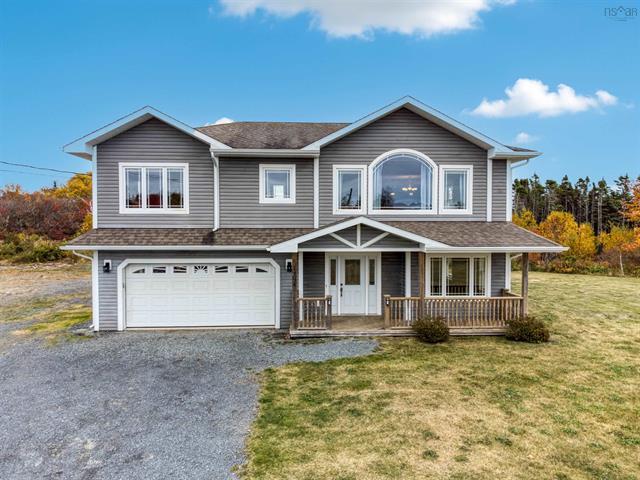
Read
Categories:   12 Wing Shearwater | 30-Waverley, Fall River, Oakfield, Halifax-Dartmouth Real Estate | 40-Timberlea, Prospect, St. Margaret's Bay, Halifax-Dartmouth Real Estate | Accessibility | Appraisal | Best Real Estate Agent | BGRS | Bill C-4 | BoC Rate Announcement | Bunky | Buying a Condo | Buying Strategy | Capital Gains | CFB Halifax | CRA | CREA Stats | DDT | Deed Transfer Tax | Deposit held in trust | Disability Support | Divorce | Divorce & Real Estate | DND | Downsizing | Empty Nesters | Executor | Fall River Events Blog | Family Law | Federal Housing Initiative - 13B to build homes in Canada | Federal Housing Program | FHSA | FHSA Gift | First Time Home Buyers | First Time Home Buywers | For Sale By Owner | Foreign buyer ban | Form 408 | Form DR2 | FSBO | FTHB | GST Rebate | Halifax Community & Events | Halifax Market Analysis | Halifax Market Uodate | Halifax Real Estate Blog | Homes in Fall River | House Hunting Trip | Investment Property | Investors | IRP Relocation | Luxury Homes | LUXURY REAL ESTATE | Military Benefits | Military Relocation | Mortgage Facts | Mortgage Penalties | Mortgage Renewal | Multi Unit | New Construction | NS DPAP | NSAR | Oil Tank | Out of Province Buyer | Posted to Halifax | Power of Attorney | Probate | Real Estate Conditions | Real estate law | Realtor | Rent vs Buy | Rent-to-own | Rental Income | Reverse Mortgage | Secondary Suite | Self Employed | Selling Strategy | Seniors Downsizing | Septic Inspection | SIRVA | Stadacona | Tenants in Common | Upsizers | Vacant Land | Well Inspection | Zoning